DISCLAIMER: Hebei Haihao Group does not claim participation in this project. This case study is based solely on public information and is provided for industry reference.
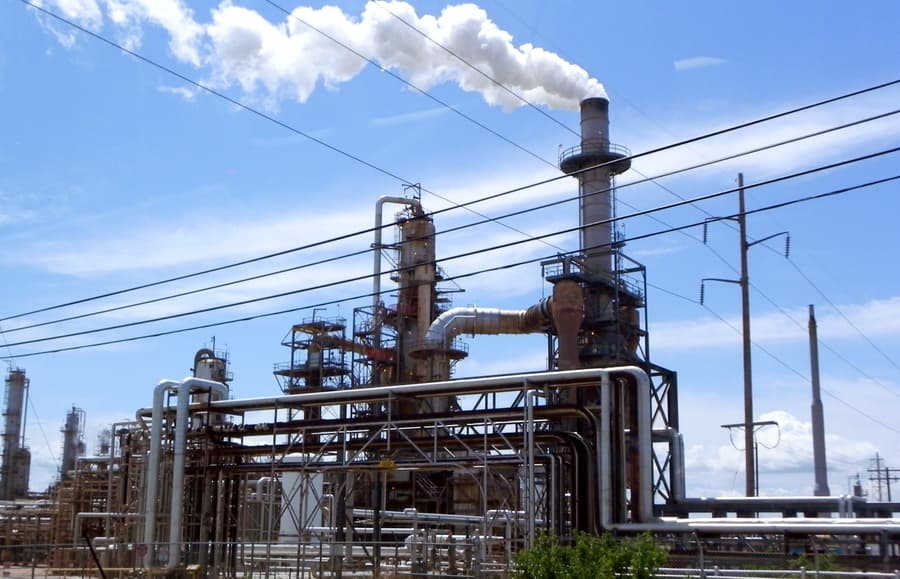
The Amiral petrochemical complex, integrated with the SATORP refinery in Jubail, Saudi Arabia, represents a significant investment in the global petrochemical landscape. Announced with a final investment decision in December 2022, the project is a joint venture between Saudi Aramco (62.5%) and TotalEnergies (37.5%). With an estimated investment of $11 billion, Amiral is designed to convert refinery off-gases, naphtha, ethane, and light naphtha into high-value petrochemical products. The centerpiece is a mixed-feed cracker with an annual ethylene production capacity of 1.65 million tons, alongside two polyethylene lines each capable of producing 500,000 tons per year. The complex will also include units for extracting butadiene and aromatics, and it will supply a downstream specialty chemicals park.
For EPC engineers, procurement managers, and inspectors, Amiral offers a valuable case study in large-scale project planning and execution. While the project is still under construction (startup planned for 2027), its scope highlights the critical role of piping systems in such mega-projects. This article provides a procurement-focused analysis, drawing solely from public information to help buyers understand the types of piping components likely required and the considerations for sourcing them effectively.
Project Overview and Piping Implications
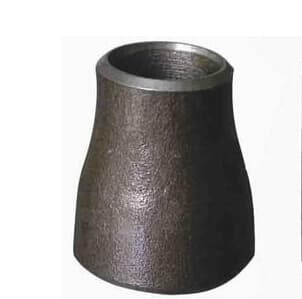
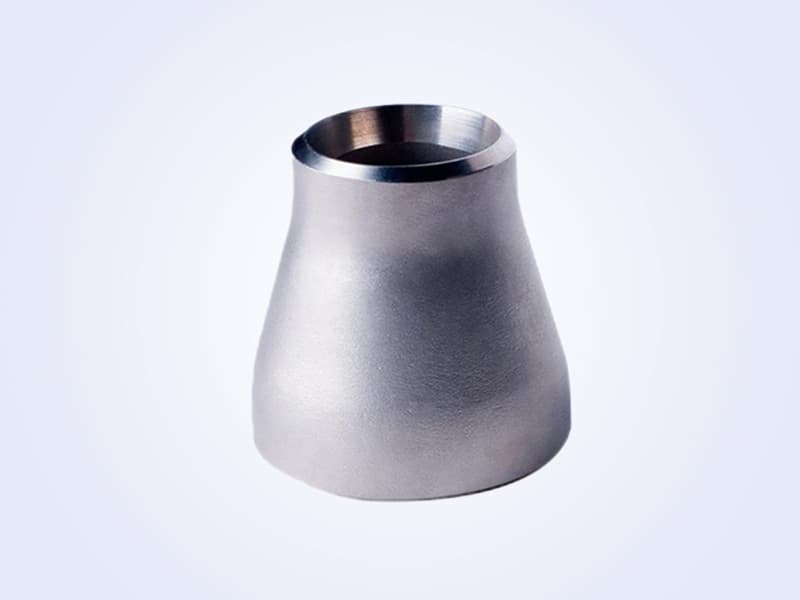
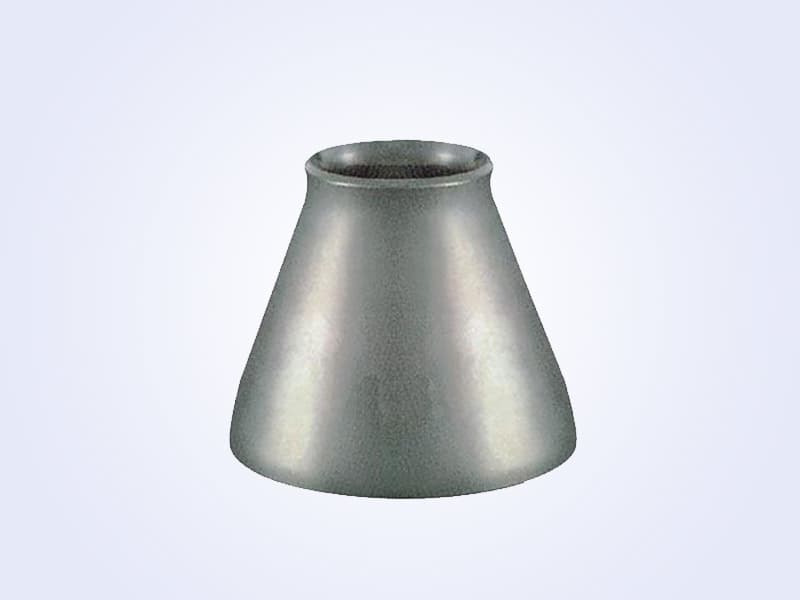
The Amiral complex involves extensive piping networks for process lines, utility systems, and interconnecting infrastructure. The steam cracker, polyethylene units, and auxiliary facilities require a vast array of piping components, including: