Understanding ASME B16.36 Scope
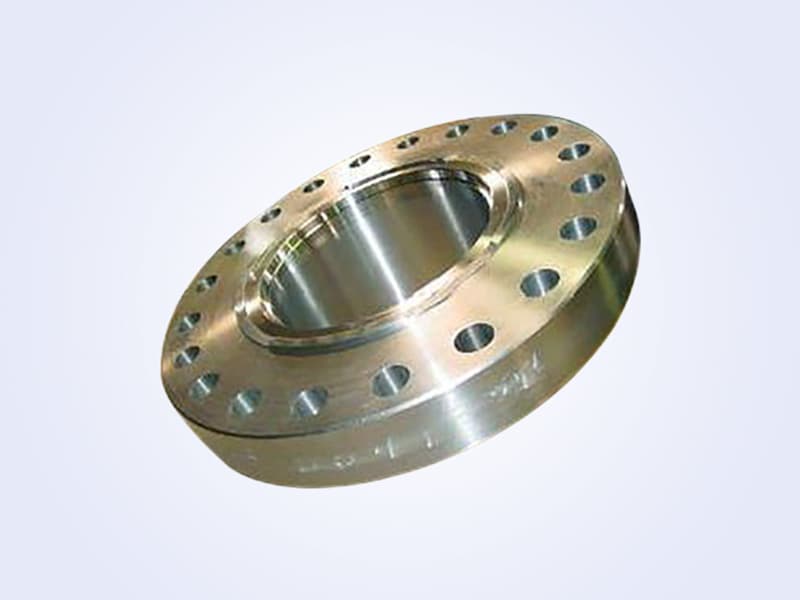
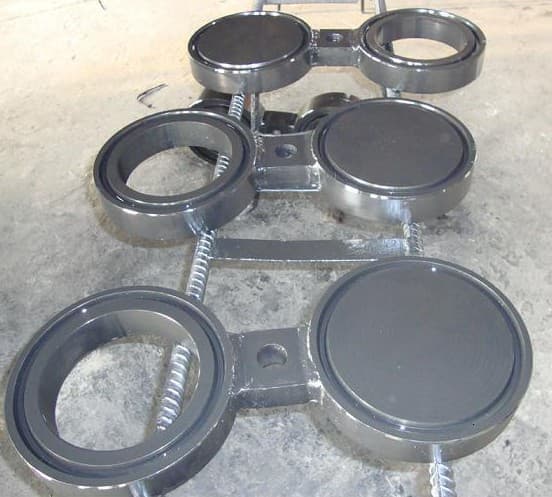
ASME B16.36 is the key standard for orifice flanges used in differential pressure flow measurement. It covers pressure-temperature ratings, materials, dimensions, tolerances, testing, and marking for flanges with orifice pressure-differential connections. The standard is similar in structure to ASME B16.5 but specifically addresses the unique requirements of orifice flanges, which include pressure taps and often a larger hub to accommodate the orifice plate.
For EPC engineers and procurement managers, knowing exactly what B16.36 covers—and what it does not—is critical to avoid specification errors and costly delays.
Flange Types and Class Boundaries
According to the ASME B16.36 scope, coverage is limited to:
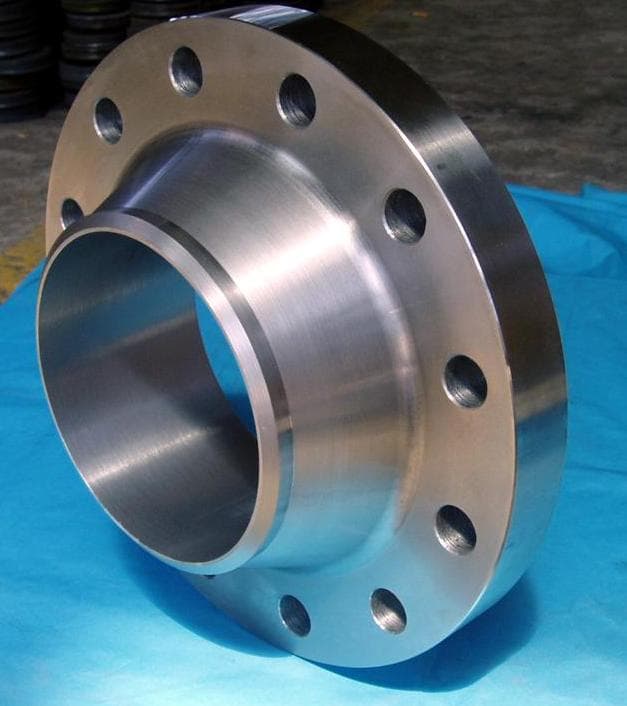
- Welding-neck orifice flanges in Classes 300, 400, 600, 900, 1500, and 2500
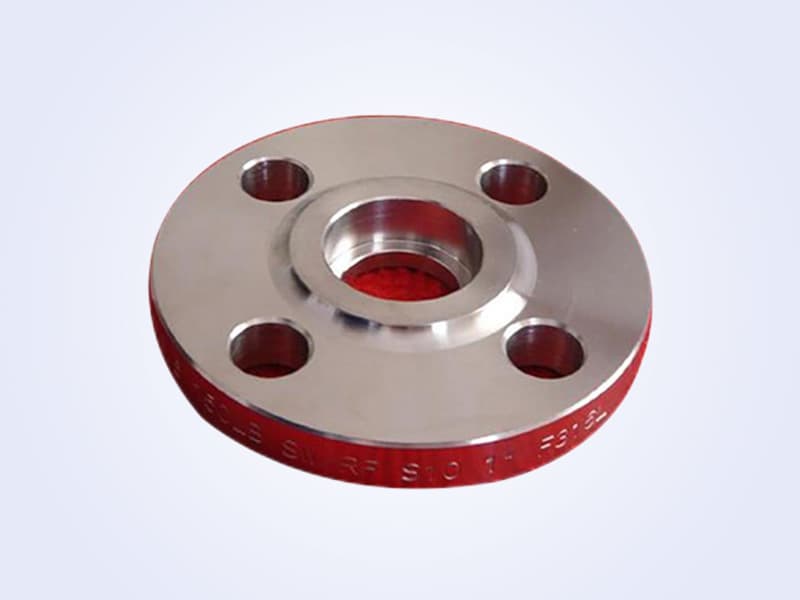
- Slip-on and threaded orifice flanges in Class 300 only
This means that if your project requires a slip-on orifice flange in Class 600, it is not covered by B16.36. You would need to either use a welding-neck design or consult the manufacturer for a custom solution that may not be standard-compliant. Always verify the exact class and type against the standard before ordering.
What B16.36 Does Not Cover
It is important to note that B16.36 does not perform flow calculations or select the orifice plate for a process condition. The standard provides the flange dimensions and pressure-temperature ratings, but the orifice bore size, tap location, and plate thickness are determined by flow metering standards such as AGA Report No. 3 or ISO 5167. The flange must be compatible with the chosen orifice plate and metering system, but the standard itself does not dictate those details.
Additionally, do not generalize tap configuration, bore, or facing without specifying the ordered size, class, edition, and metering specification. B16.36 covers several tap arrangements (e.g., flange taps, corner taps, radius taps) and each has specific dimensional requirements. The standard edition also matters, as revisions can change dimensions or requirements.
Procurement Checks for Orifice Flanges
When sourcing ASME B16.36 orifice flanges, consider the following:
- Confirm the flange type and class: Ensure the type (welding-neck, slip-on, threaded) and class are within B16.36 scope. For example, slip-on is only Class 300.
- Specify the exact standard edition: ASME B16.36 is updated periodically; the current edition is 2025. Indicate the edition in your RFQ to avoid ambiguity.
- Define the tap configuration: Specify the type of pressure taps (e.g., flange taps, corner taps) and their dimensions as per your metering design.
- Provide the orifice plate details: The flange bore and facing must match the orifice plate diameter and thickness. Include the orifice plate specification in your RFQ.
- Material and pressure-temperature rating: Select the material (e.g., carbon steel, stainless steel) and confirm it meets the required pressure-temperature rating for your service conditions.
- Inspection and testing requirements: Specify any required NDT (e.g., ultrasonic, radiography) and hydrostatic testing per project specifications.
RFQ Inputs for Orifice Flanges
To get accurate quotes, include the following in your RFQ:
- Quantity, size (NPS), and class
- Flange type (welding-neck, slip-on, threaded)
- Standard and edition (e.g., ASME B16.36-2025)
- Material grade (e.g., ASTM A105, A182 F316)
- Facing (e.g., RF, RTJ) and surface finish
- Tap configuration and dimensions
- Orifice plate details (bore size, thickness, material)
- Any additional requirements (e.g., NACE MR0175, PMI testing)
Inspection and Documentation Points
During inspection, verify:
- Dimensional compliance: Check flange dimensions (OD, thickness, bolt circle, hub dimensions) against B16.36 tables.
- Tap placement: Ensure pressure taps are correctly located and sized per the specified tap configuration.
- Marking: Each flange must be marked per B16.36, including size, class, material, and standard designation.
- Material certification: Request mill test certificates (EN 10204 3.1 or 3.2) to confirm material grade and mechanical properties.
- Pressure testing: If required, witness hydrostatic tests and review test certificates.
Common Risks and How to Avoid Them
- Using slip-on or threaded flanges above Class 300: This is outside B16.36 scope. Always verify class limits.
- Assuming B16.36 includes flow calculation: The standard only covers flange dimensions and ratings. Use appropriate flow standards for orifice sizing.
- Ignoring tap configuration: Different tap types have different dimensional requirements. Specify clearly.
- Not specifying the edition: ASME standards are periodically updated; using an outdated edition may lead to non-compliance.
- Mismatching orifice plate and flange bore: Ensure the flange bore is compatible with the orifice plate diameter and bevel.
Conclusion
ASME B16.36 is essential for orifice flanges in flow measurement applications. Understanding its scope—especially the class limitations for different flange types—helps avoid costly mistakes. Always specify the exact type, class, edition, and tap configuration in your RFQ, and verify compliance through proper inspection and documentation.
For a wide range of flanges and pipe fittings, explore our products page and for inquiries, visit our contact page.
Sources
Need a quote for the products mentioned in this article?
Submit your specs and our pressure piping team will respond within one business day.
Send RFQRelated reading
 Standards
ASTM A860 High-Strength Buttweld Fittings: Procurement Guide
ASTM A860 covers high-strength ferritic steel butt-welding fittings for high-pressure gas and oil pipelines. This guide explains scope, key requirements, and procurement checks, including the fact that hydrostatic testing is not mandatory under this specification.
 Standards