Why this matters
For any procurement engineer issuing an MR for piping above NPS 24, the choice between ASME B16.5, B16.47 Series A and B16.47 Series B is one of the most frequently confused points on a bid sheet. The three standards cover different size ranges, the two series under B16.47 are NOT interchangeable, and a wrong call results in flange faces that cannot mate with the mating equipment on site. This guide walks through the practical procurement-side decisions for the ASME B16.5 vs B16.47 Series A vs Series B family.
Scope comparison
| Standard | Size range | Pressure classes | Heritage |
|---|---|---|---|
| ASME B16.5 | NPS 1/2 to NPS 24 | 150, 300, 400, 600, 900, 1500, 2500 (2500 only up to NPS 12) | ANSI B16.5 family |
| ASME B16.47 Series A | NPS 26 to NPS 60 | 150, 300, 400, 600, 900 | Ex-MSS SP-44 |
| ASME B16.47 Series B | NPS 26 to NPS 60 | 75, 150, 300, 400, 600, 900 | Ex-API 605 |
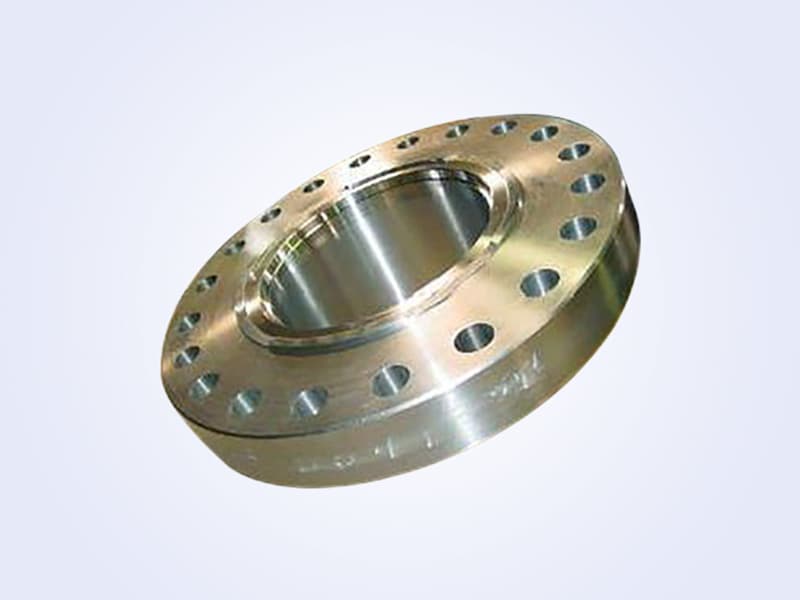
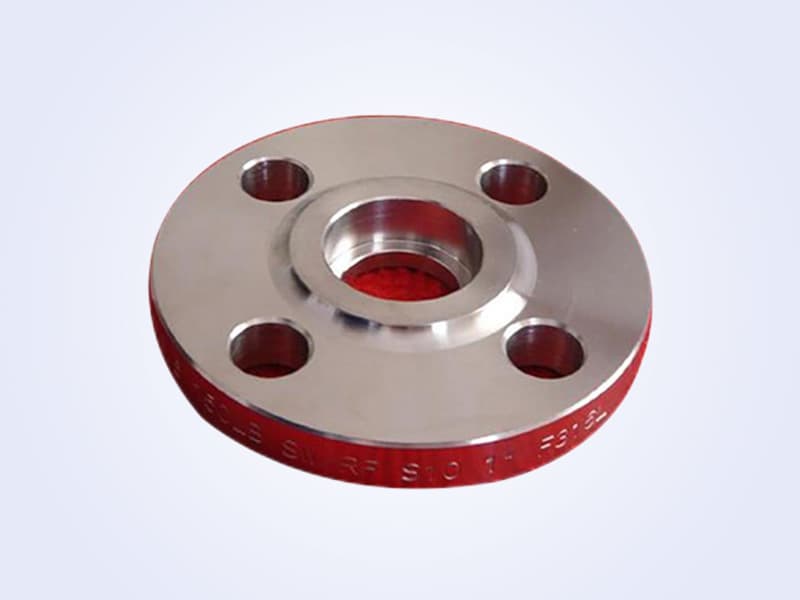
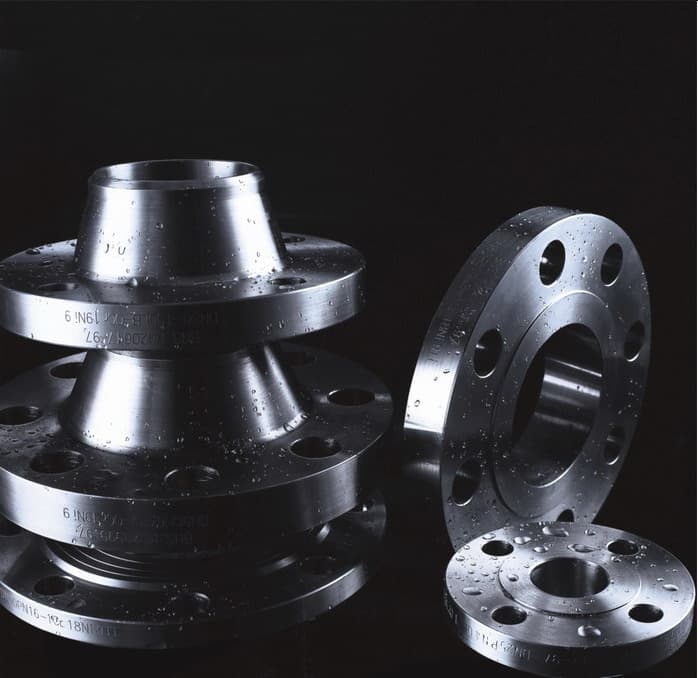
Face types in B16.5 include raised face (RF), flat face (FF) and ring-type joint (RTJ). Series A defines RTJ from Class 300 through Class 900; Series B does not include RTJ in the same scope.
Key differences
- Heritage: B16.47 Series A flanges are essentially the former MSS SP-44 dimensions; Series B comes from the former API 605 standard.
- Geometry: For the same NPS and class, Series A is heavier and has a larger outside diameter with fewer, larger bolts. Series B is more compact, with a smaller OD, tighter bolt circle and more bolts of smaller diameter.
- Strength: The thicker hub and ring of Series A give it higher load capacity than Series B.
- Interchangeability: Series A and Series B flanges of the same NPS and class will not mate with each other. Bolt circle, bolt size and OD all differ.
- Class 75: Only Series B includes the low-pressure Class 75; Series A does not.
- Below NPS 24: B16.47 does not apply. Use B16.5 for these sizes.
When to choose which
- NPS 1/2 to NPS 24: ASME B16.5 is the default. It is the most widely stocked standard worldwide and matches the bulk of valve, pump and vessel nozzle drilling.
- NPS 26 and above, new project: B16.47 Series A is generally preferred for greenfield work because the heavier construction tolerates higher bending and bolt-up loads, and the supply chain is broader.
- Replacement / refurbishment: If the existing flanges on site were originally API 605 (now Series B), replacement must remain Series B. Ask the operator for as-built drawings or measure OD and bolt circle before placing the order.
We supply both series via our forged flanges line.
Procurement / spec checklist
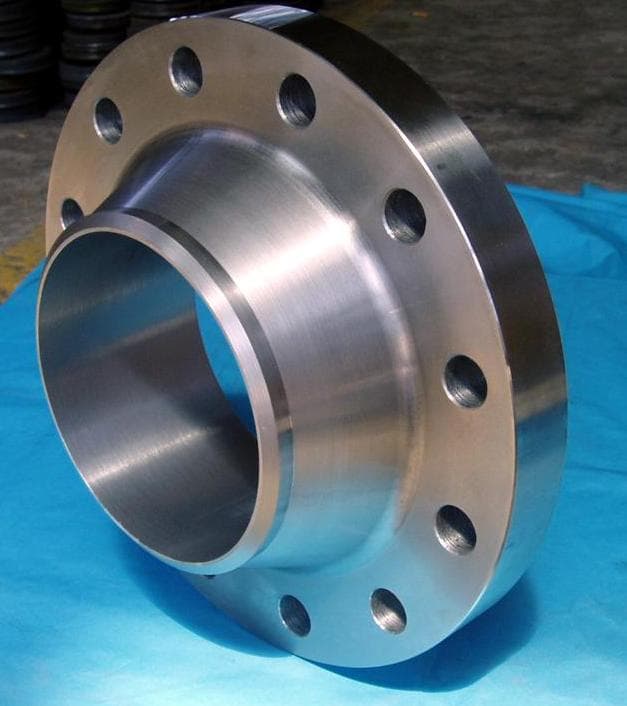
- State NPS, pressure class, face type and standard explicitly: e.g. "WN, NPS 36, Class 300, RF, ASME B16.47 Series A, ASTM A105N".
- For B16.47, ALWAYS specify A or B. Never assume.
- Confirm the bore is to match the connecting seamless steel pipe schedule.
- Specify gasket type and bolt material consistent with face type.
- For sour or low-temperature service, link the flange spec to a material standard (e.g. NACE MR0175 / ISO 15156, or ASTM A350 LF2).
- Reference the latest published edition of the ASME standard rather than fixing a year, unless the project is locked to a specific edition.
If you need a quick spec check before issuing the MR, send the line list via our inquiry form and ask for our QA certificates.
Sources
- https://whatispiping.com/difference-asme-b-16-47-series-a-and-series-b-flanges/
- https://www.texasflange.com/blog/b16-47-series-a-vs-series-b-whats-the-difference/
- https://www.asme.org/codes-standards/find-codes-standards/b16-5-pipe-flanges-flanged-fittings-nps-1-2-nps-24-metric-inch-standard
- https://apiint.com/blog/understanding-ansi-asme-b16-5-and-b16-47-standards/
Need a quote for the products mentioned in this article?
Submit your specs and our pressure piping team will respond within one business day.
Send RFQRelated reading
 Standards
ASTM A860 High-Strength Buttweld Fittings: Procurement Guide
ASTM A860 covers high-strength ferritic steel butt-welding fittings for high-pressure gas and oil pipelines. This guide explains scope, key requirements, and procurement checks, including the fact that hydrostatic testing is not mandatory under this specification.
 Standards