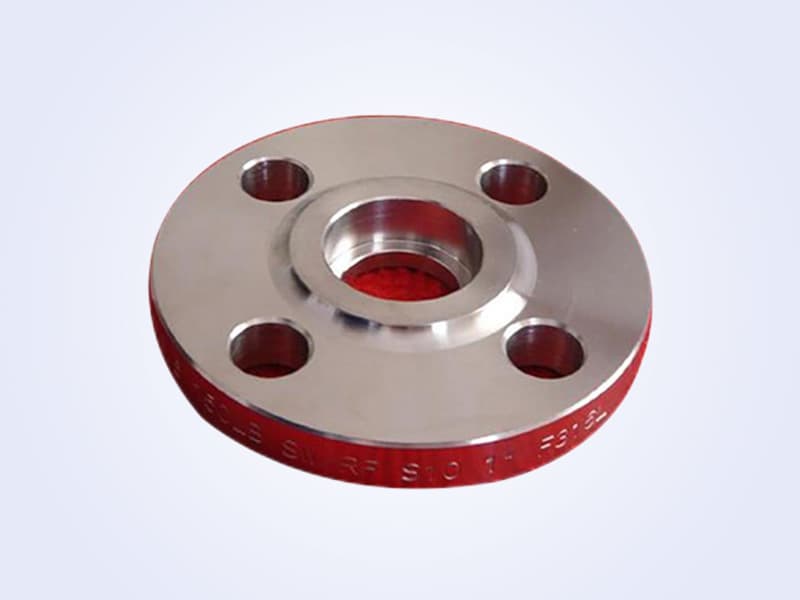
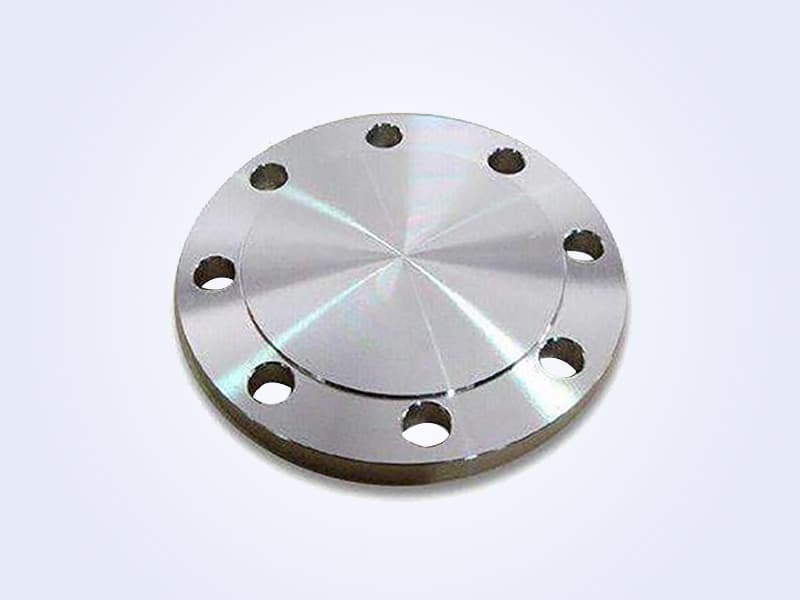
What is a Figure-8 Blind?
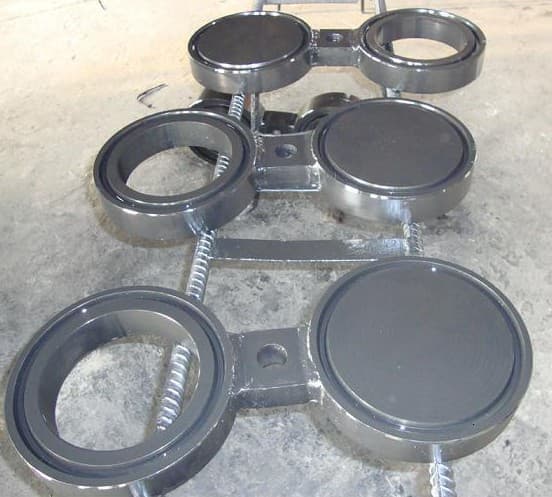
In industrial piping, a figure-8 blind (also known as a spectacle blind or spectacle flange) is a single-piece fitting that combines a solid blind and a spacer ring in a figure-eight shape. It serves as a positive isolation device, allowing operators to quickly switch between open (flow) and closed (no flow) positions without disassembling the pipeline. Unlike decorative room dividers, these are heavy-duty components designed for high-pressure, high-temperature services in oil & gas, chemical, power generation, and other process industries.
Applications
Figure-8 blinds are used in:
- Pipeline maintenance and shutdowns
- Test loops and temporary bypass lines
- Safety isolation of equipment (pumps, valves, heat exchangers)
- Positive isolation during hydrotesting
- Systems where frequent line blinding is required
Standards to Confirm
When procuring figure-8 blinds, ensure compliance with:
- ASME B16.48: Standard for line blinds (figure-8 type)
- ASME B16.5: For flange dimensions and pressure ratings (if flanged ends)
- API 590: For steel line blinds
- Material standards: ASTM A105 (carbon steel), A182 (alloy), A240 (stainless steel), or A694 (high-yield)
Always verify the pressure class (e.g., Class 150, 300, 600, 900, 1500, 2500) and facing type (raised face, flat face, RTJ).
Material Selection
Choose material based on service fluid, temperature, and corrosion resistance:
- Carbon steel (A105, A350 LF2) for general service
- Stainless steel (304/304L, 316/316L) for corrosive environments
- Alloy steel (F11, F22, F91) for high-temperature applications
- Duplex/super duplex for sour service (NACE MR0175)
Inspection and Testing
Request the following inspection documents:
- Material test certificates (MTC) per EN 10204 3.1/3.2
- Dimensional inspection report
- Hardness test report (for NACE compliance)
- Positive material identification (PMI) report
- Visual and surface defect inspection
- Pressure test (if specified)
RFQ Checklist
When sending an RFQ, include:
- Size (nominal pipe size NPS)
- Pressure class and flange facing
- Material grade and specification
- Quantity
- Any special requirements (witness testing, coating, marking)
- Delivery timeline
- Required certifications
Quality Risks to Avoid
- Material mix-up: Always require PMI.
- Incorrect thickness: Verify blind thickness matches pressure class.
- Poor machining: Check gasket surfaces for scratches or nicks.
- Missing markings: ASME B16.48 requires permanent markings (size, class, material, manufacturer).
Why Hebei Haihao Group?
Hebei Haihao Group specializes in manufacturing high-quality pipe fittings, forged flanges, and pipe bends, including figure-8 blinds. Our products meet international standards and are supplied to EPC contractors and industrial buyers worldwide. We provide full traceability and comprehensive inspection documentation.
Request a Quote
For your next figure-8 blind flange requirement, send us your specifications. Our team will provide a competitive quotation with supporting technical data.
Need a quote for the products mentioned in this article?
Submit your specs and our pressure piping team will respond within one business day.
Send RFQRelated reading
Procurement Guide: How to Specify Forged Pipe Fittings and Flanges for Medium and Low Pressure Applications
A practical guide for procurement engineers on specifying forged pipe fittings and flanges, including material selection, standards, inspection documents, and RFQ best practices.