Manufacturing Process and Key Elements of High-Pressure Flange Pipe Fittings
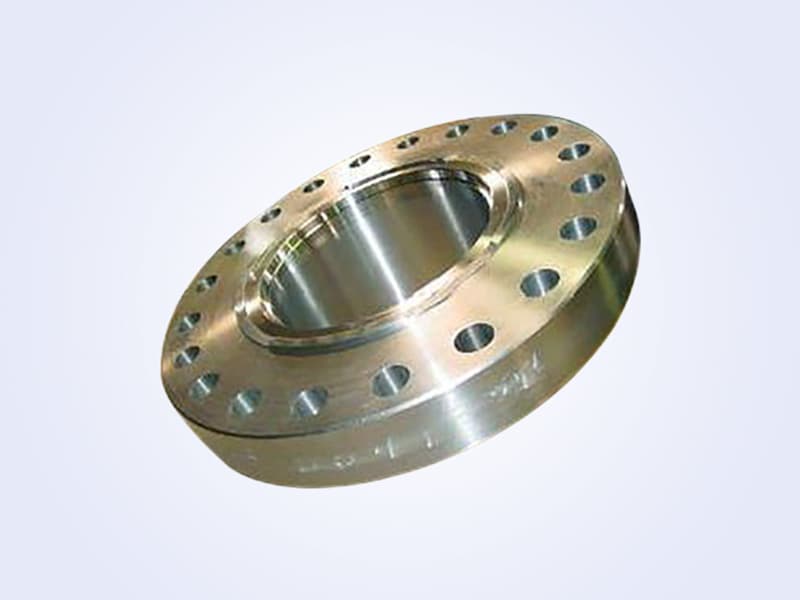
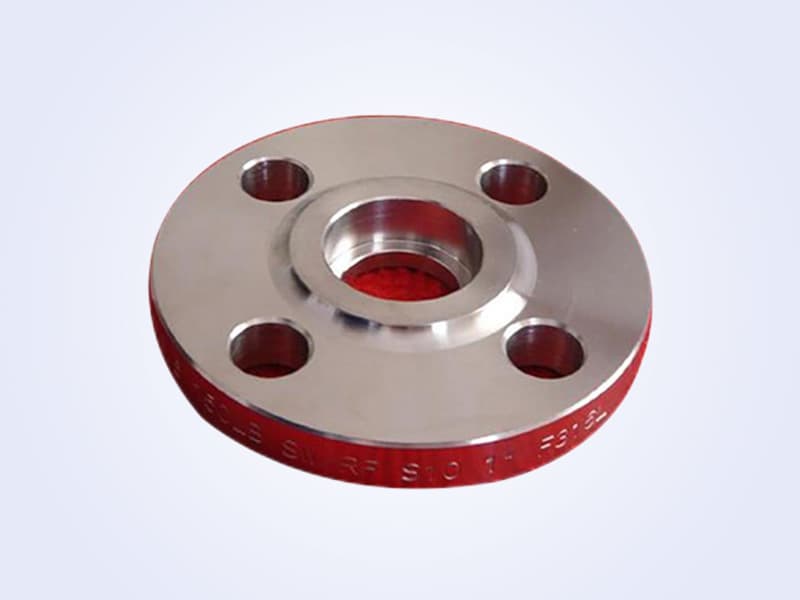
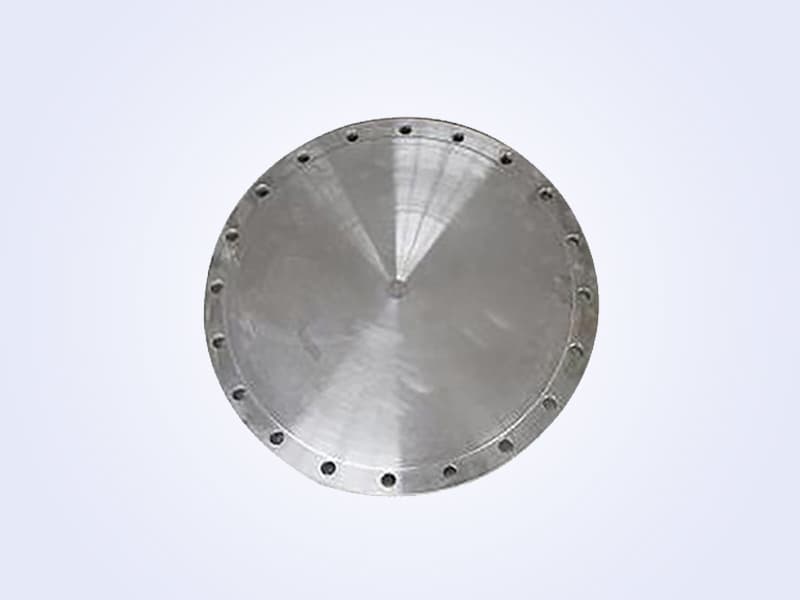
In industrial fields, high-pressure flange pipe fittings are widely used in various pipeline connections and valve installations. As a key component of connecting pipelines, the manufacturing process and key elements of high-pressure flange pipe fittings are crucial to ensuring the stable and safe operation of pipelines. This article will introduce the manufacturing process of high-pressure flange pipe fittings and delve into some key elements.
First, the manufacturing process of high-pressure flange pipe fittings begins with the selection and preparation of raw materials. Typically, high-pressure flange pipe fittings are made of high-strength alloy steel to ensure reliability and durability under high-pressure environments. When selecting raw materials, manufacturers need to consider factors such as chemical composition, mechanical properties, and corrosion resistance to meet the requirements of different working conditions.
Second, the manufacturing process of high-pressure flange pipe fittings includes forging, machining, and heat treatment. Forging is one of the key steps in manufacturing high-pressure flange pipe fittings, which involves deforming and heating the metal material to obtain the appropriate shape and mechanical properties. During machining, manufacturers use machine tools and other equipment to precisely process and trim the forged blanks to meet the size and shape requirements of high-pressure flange pipe fittings. Finally, heat treatment is crucial for improving the strength and toughness of high-pressure flange pipe fittings by controlling the cooling rate and temperature of the metal material to obtain the ideal microstructure and properties.
In addition to the manufacturing process, key elements of high-pressure flange pipe fittings also include design and quality control. In terms of design, manufacturers need to consider the applicable working conditions and pressure levels of high-pressure flange pipe fittings to determine appropriate sizes and structures. At the same time, a reasonable design must also consider the connection method of the flange joint and the selection of fasteners to ensure the reliability and sealing of the pipeline connection.