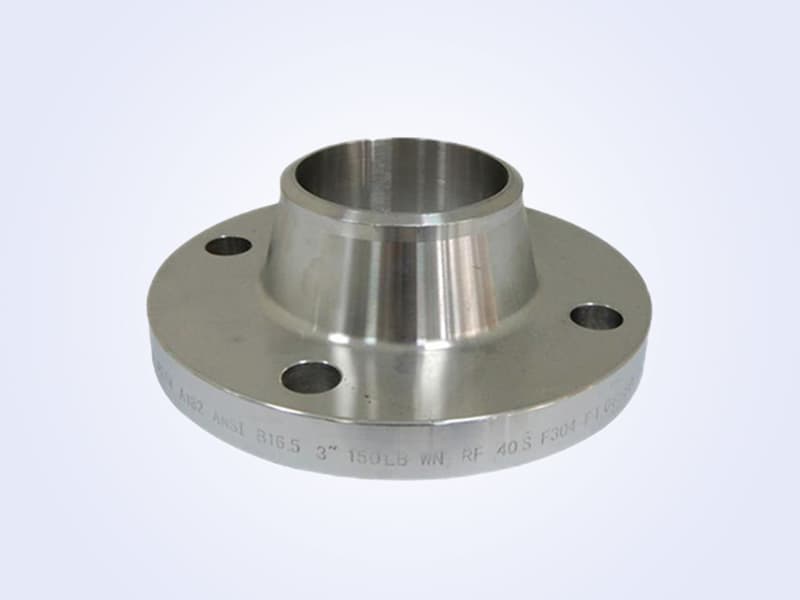
What is the difference between figure-8 blind and other pipe fittings?
In industrial piping systems, the selection of pipe fittings directly affects the safety and stability of the system. Among many fittings, the figure-8 blind, as a special component, although not as common as valves or joints, plays a unique role in specific situations. So, what exactly are the differences between figure-8 blind and other pipe fittings? Let's explore this topic today!
What is a figure-8 blind?
First, we need to clarify what a figure-8 blind is. As the name suggests, a figure-8 blind is shaped like the digit "8," and it is mainly used for sealing and isolating pipelines. Unlike traditional blinds, the figure-8 blind has two opposite openings, allowing quick connection with other fittings when needed. Can you imagine? It's like a door that can be opened or closed at any time.
Uses of figure-8 blind
Figure-8 blinds are widely used in industries such as petroleum, chemical, and electric power. Their main function is to seal off pipelines when flow is not required. You might ask,
Why not just use a regular blind?
Good question! Because the design of the figure-8 blind allows for pipeline maintenance and repair without dismantling the pipe, which is sometimes "twice the result with half the effort."
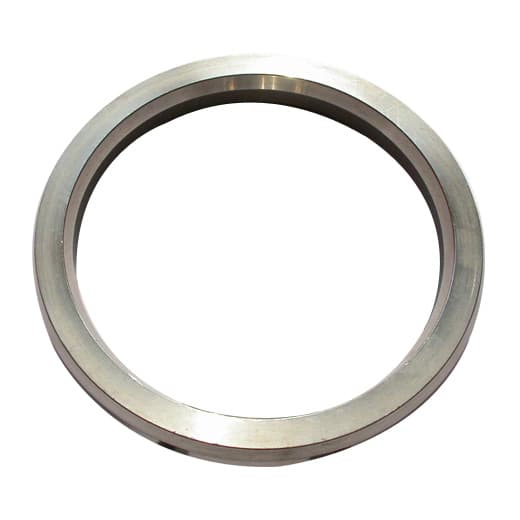
Comparison with other fittings
Next, let's look at the differences between figure-8 blind and other common pipe fittings.
- Difference from regular blind
Regular blinds are completely sealed and cannot be used for pipeline maintenance. In contrast, the figure-8 blind is more flexible, allowing maintenance in a closed state. Simply put, using a figure-8 blind is like having a spare entrance at home, while a regular blind is a permanently sealed door. Which one is more convenient?
- Difference from valves
The main function of valves is to regulate flow, while figure-8 blinds are mainly used to seal off pipelines. You could say that valves are like faucets that can be opened or closed at will, while figure-8 blinds are a "fixed" solution. If flow needs to be regulated, valves are more suitable, but if you want to completely seal off a pipeline, figure-8 blinds are more effective.
- Difference from tees and elbows
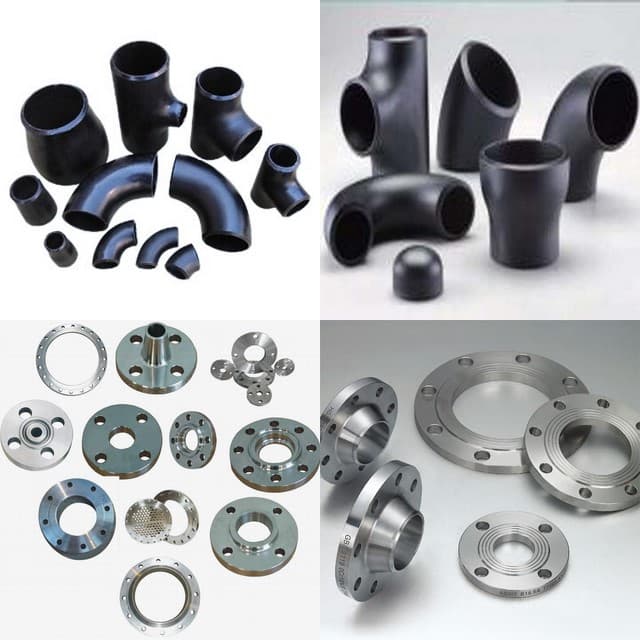
The main function of tees and elbows is to change the direction of flow or divert it, while figure-8 blinds completely block the flow. Imagine a river: a tee is like a branch point, an elbow is like a turn, and a figure-8 blind is like a dam blocking the entire river. That's the main difference.
Reasons to choose figure-8 blind
So,
Why choose figure-8 blind among so many pipe fittings?
First, its flexibility is impressive. When pipeline maintenance is needed, the figure-8 blind can be easily "unlocked" without dismantling the entire piping system, saving time and labor costs. Additionally, the sealing performance of figure-8 blind is excellent, ensuring the safety of the piping system.
Summary
In summary, with its unique design and functionality, the figure-8 blind has become an indispensable part of industrial piping systems. Although its appearance and function may differ from other fittings, it is this differentiation that allows it to play a huge role in specific situations.
If you need a flexible and reliable sealing solution in your piping system, consider the figure-8 blind. It might be the unexpected "savior"!
Need a quote for the products mentioned in this article?
Submit your specs and our pressure piping team will respond within one business day.
Send RFQRelated reading
Industry newsHaihao Flange Pipe Fittings: Providing Custom Services for Aerospace, Heavy Industry and Other High-Tech Fields
Haihao Flange Pipe Fittings: Providing Custom Services for Aerospace, Heavy Industry and Other High-Tech Fields. In today's era of rapid high-tech development, the demand for medium and low pressure pipe flanges in aerospace, heavy industry and other high-tech fields is growing.
Industry news