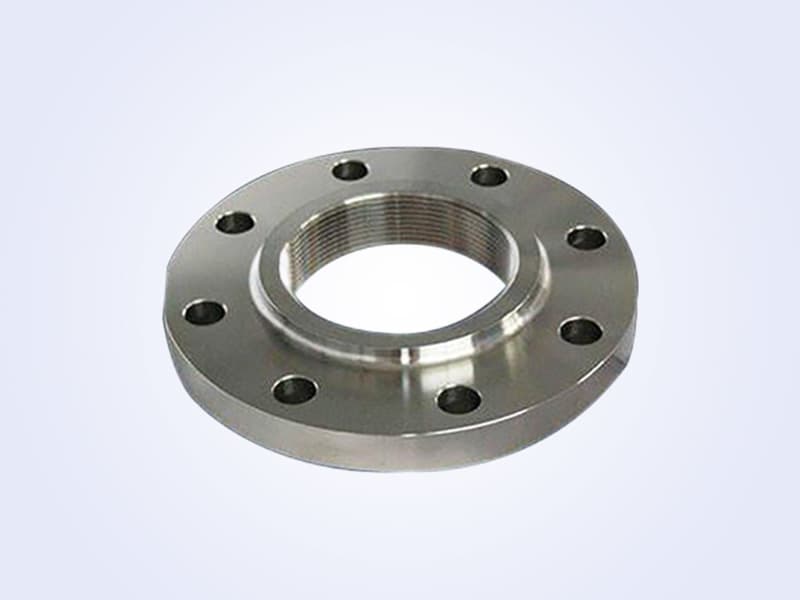
Understanding the Production Process and Standards of Figure-8 Blanks
In modern industry, figure-8 blanks are widely used as important sealing components in various pipeline and equipment connections. Are you curious about the production process and standards of figure-8 blanks? Today, we delve into this topic to help you better understand their manufacturing process and relevant standards.
What is a Figure-8 Blank?
First, let's briefly define what a figure-8 blank is. As the name suggests, a figure-8 blank resembles the shape of the number "8". It is commonly used in pipeline systems to effectively prevent fluid leakage. Its main function is to close one end of a pipeline without disassembling the entire system. Imagine that without figure-8 blanks, fluid would continuously flow along the pipeline, leading to equipment failure and environmental pollution.
Production Process of Figure-8 Blanks
So how are figure-8 blanks produced? The entire production process can be divided into several main steps.
- Material Selection
First, selecting the appropriate material is crucial. Depending on the application environment, figure-8 blanks are typically made of stainless steel, carbon steel, or alloy materials. These materials must not only have good corrosion resistance but also sufficient strength to withstand the pressure inside the pipeline. Imagine that material is like clothing—only when you wear the right kind can you stay comfortable in different environments.
- Forming
Next is forming. Through processes such as cutting and stamping, the selected material is shaped into specific dimensions and shapes. In this step, the use of industrial robots and CNC machines makes processing more precise. Modern technology has brought revolutionary changes to the production of figure-8 blanks.
- Surface Treatment
Once formed, surface treatment becomes particularly important. Methods such as spraying and galvanizing further enhance the corrosion resistance and wear resistance of the figure-8 blank. This is like putting on a protective suit, allowing it to stand firm in various harsh environments.
- Inspection and Quality Control
Finally, before leaving the factory, every product must undergo rigorous inspection and quality control. We need to ensure that each figure-8 blank meets relevant standards and can be used safely and efficiently. Through multiple tests such as pressure testing and leakage testing, we guarantee product quality and reliability. Imagine if there were no such inspections—it would be like a doctor without training, unable to ensure a successful surgery.
Standards for Figure-8 Blanks
Speaking of standards, the production and use of figure-8 blanks are subject to strict industry regulations. For example, the International Organization for Standardization (ISO) and the American National Standards Institute (ANSI) have corresponding standards. These standards cover not only material selection, product dimensions, and shapes but also performance requirements under different temperatures and pressures.
- Dimensions and Specifications
The dimensions and specifications of figure-8 blanks directly affect their applicability in pipeline systems. Standardized dimensions greatly simplify design and installation processes. For example, common diameters include DN50, DN100, etc. This is like how everyone has their own clothing size—only the right size ensures comfort.
- Performance Requirements
Second, performance requirements are an important component of standards. Figure-8 blanks must be able to withstand certain working pressures and temperatures to ensure normal operation in harsh environments. Imagine if you were going mountain climbing—you would definitely need appropriate equipment to deal with changing weather conditions.
Summary
Understanding the production process and standards of figure-8 blanks not only helps us better appreciate the application of this component but also enables us to make more informed decisions when selecting and using them. From material selection to forming and then to rigorous testing, every step of the figure-8 blank is critical. In the future, with technological advancements and continuous improvement of industry standards, we have reason to believe that the quality and performance of figure-8 blanks will become even better.
Need a quote for the products mentioned in this article?
Submit your specs and our pressure piping team will respond within one business day.
Send RFQRelated reading
 Industry news
Manatee Gas FID in Trinidad and Tobago: A Source-Checked LNG Feedgas Update
Shell's July 2024 FID for the Manatee gas development in Trinidad and Tobago signals continued investment in LNG feedgas. This update outlines what is verified, what remains to be checked, and how EPC buyers can align procurement with evolving project timelines.
 Industry news