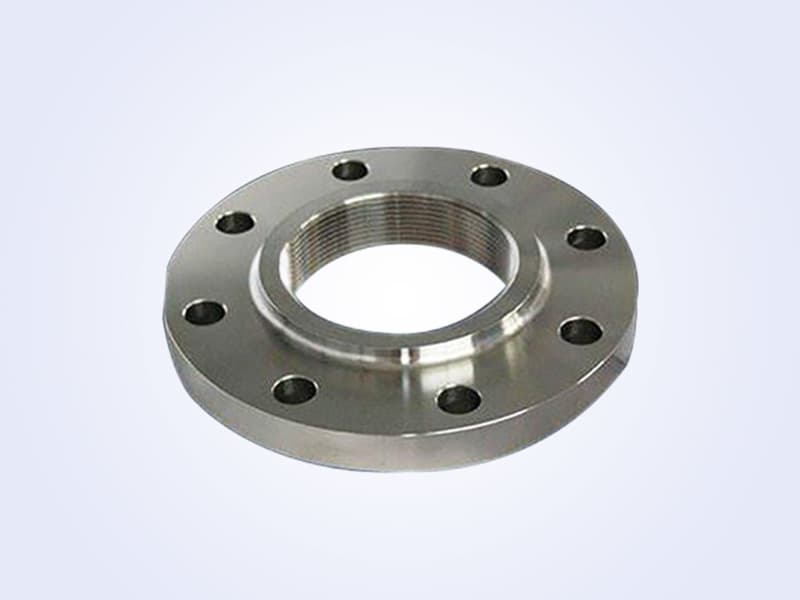
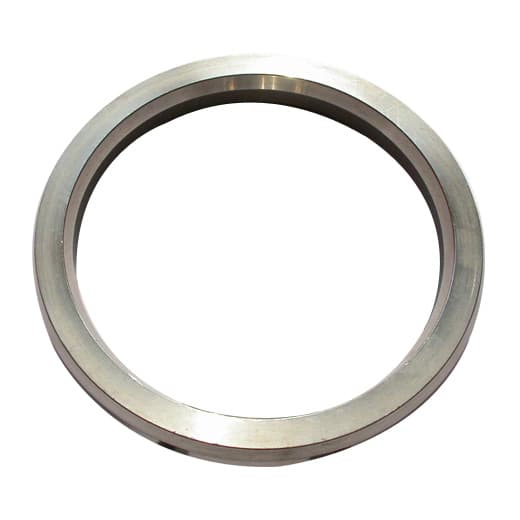
In modern industrial production, figure 8 blanks are important fittings widely used in various equipment. So, how are figure 8 blanks actually produced? Today we will dive deep into their production process and take you through it step by step.
What is a Figure 8 Blank?
Before diving into the production process, let's first understand what a figure 8 blank is. Simply put, a figure 8 blank is a sealing component used in equipment, shaped like the number "8", hence its name. Its main function is to isolate and seal fluids, ensuring the safety and stability of equipment operation. Sounds simple, right? But in reality, its production involves multiple complex steps.
Material Selection is Crucial
In the production of figure 8 blanks, material selection is critical. Commonly used materials include stainless steel, carbon steel, and plastic. You might ask,
Why is Material So Important?
In fact, different materials affect the corrosion resistance, strength, and service life of the blank. For example, although stainless steel is costly, its corrosion resistance and strength are excellent, making it suitable for demanding industrial environments.
Meticulous Design Phase
Next is the design phase. This stage is like an architect designing a building – details determine success or failure. When designing figure 8 blanks, engineers need to determine the dimensions, thickness, and hole positions based on the specific requirements of the equipment. These parameters directly affect the final performance of the blanks; even a small error can lead to issues later. Therefore, the design must be extremely careful and meticulous – no sloppiness allowed.
Cutting and Forming
After the design is completed, it enters the cutting and forming stage. This step is like a sculptor carving marble – it requires attentiveness. First, workers cut the selected raw material into the required shape according to the design drawings. Then, using stamping machines or molds for forming. This process requires high-precision equipment and techniques to ensure the dimensions and shape of the figure 8 blank meet the standards. Imagine if this step is not done well, everything afterwards would have to be redone – that would be a real loss!
Surface Treatment to Enhance Quality
After forming, the figure 8 blank is not finished; it also needs surface treatment. This step may seem simple, but it is key to improving the blank's performance. The purpose of surface treatment is to enhance corrosion resistance and aesthetics. Common methods include spraying, oxidation, galvanizing, etc., to ensure the figure 8 blank performs excellently in various environments.
Inspection and Quality Control
Next, we enter the inspection and quality control stage. Think of when you pick fruit at the supermarket – you always check if it's fresh, right? Similarly, the production of figure 8 blanks requires strict quality inspection. Workers test each batch of blanks for dimensions, strength, corrosion resistance, and other aspects. Only blanks that pass inspection can proceed to the next step of packaging.
Packaging and Shipping
The final step is packaging and shipping. Good packaging is like a thoughtful friend, ensuring the product is not damaged during transportation. In this step, workers carefully package the qualified figure 8 blanks, label them with relevant information, and ensure safety and efficiency during transport.
Through the above process, we can see that the production of figure 8 blanks is not achieved overnight but is a complex and intricate process. Every step relies on professional techniques and strict management. Understanding this allows us to better appreciate the value behind figure 8 blanks when using them.
Need a quote for the products mentioned in this article?
Submit your specs and our pressure piping team will respond within one business day.
Send RFQRelated reading
 Industry news
Manatee Gas FID in Trinidad and Tobago: A Source-Checked LNG Feedgas Update
Shell's July 2024 FID for the Manatee gas development in Trinidad and Tobago signals continued investment in LNG feedgas. This update outlines what is verified, what remains to be checked, and how EPC buyers can align procurement with evolving project timelines.
 Industry news