Introduction
Medium and low pressure flanges are critical components in piping systems for industries such as oil & gas, chemical, petrochemical, and power generation. They serve as the primary connection method between pipes, valves, and equipment, ensuring system integrity and leak-free operation. For procurement engineers, selecting the right flange involves more than just matching dimensions; it requires a thorough understanding of applicable standards, material specifications, and quality assurance processes.
Standards to Confirm
When procuring medium and low pressure flanges, the first step is to confirm the governing design standard. The most common international standards are:
- ASME B16.5: Covers pipe flanges and flanged fittings for pressure classes 150, 300, 400, 600, 900, 1500, and 2500. For medium/low pressure, classes 150 and 300 are typical.
- EN 1092-1: European standard for circular flanges, with pressure designations PN 2.5 to PN 40.
- JIS B2220: Japanese standard for steel pipe flanges, with pressure ratings from 5K to 30K.
- DIN (various): Still used in legacy systems, but increasingly replaced by EN.
Ensure that the flange material matches the piping material (e.g., carbon steel, stainless steel, alloy steel) and that the pressure-temperature rating meets your system requirements.
Key Structural Features to Specify
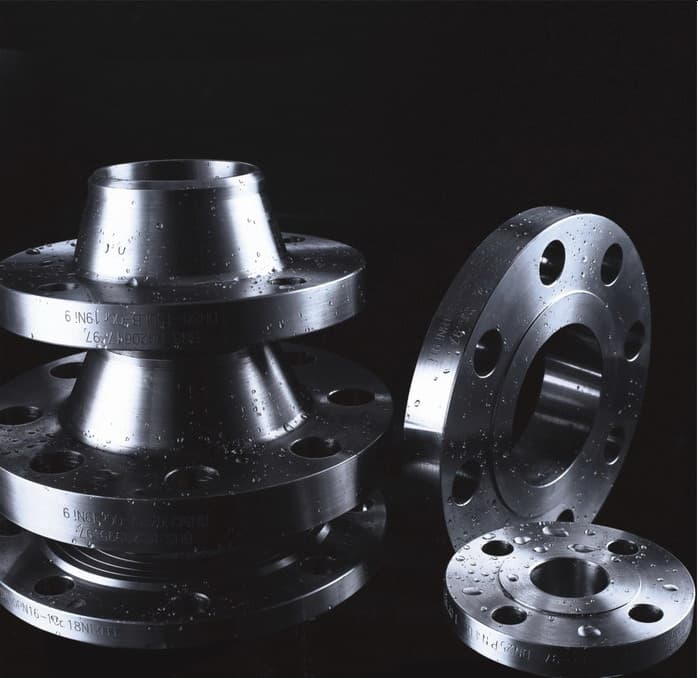
Flanges come in several types, each suited for specific applications:
- Slip-On (SO): Easy to align, used for low pressure and non-critical services.
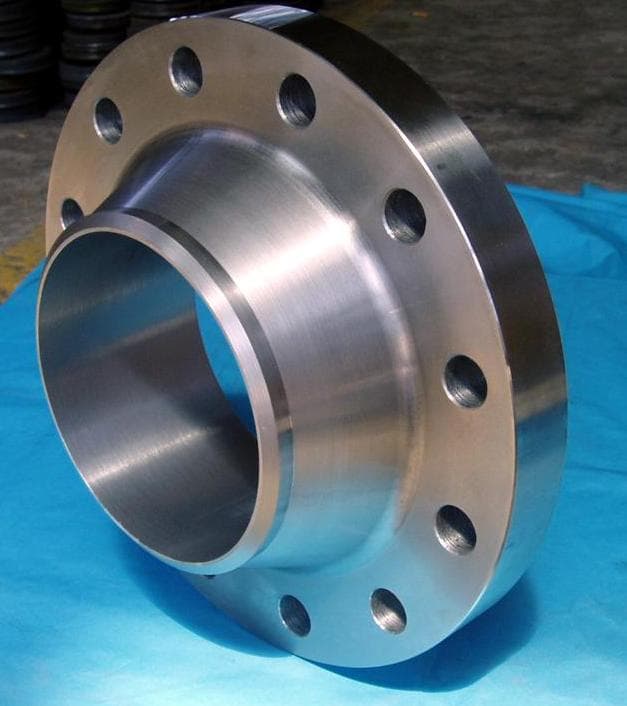
- Weld Neck (WN): High integrity, suitable for high stress and cyclic service.
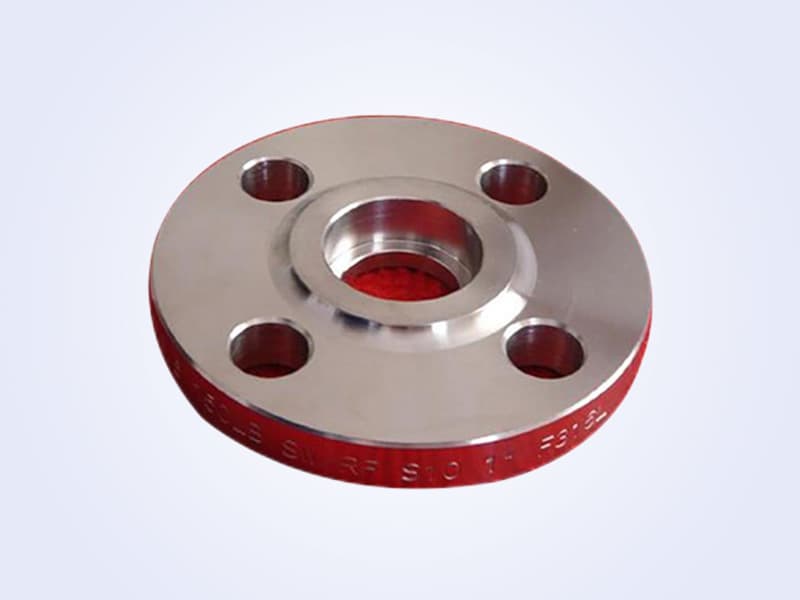
- Socket Weld (SW): For small bore piping, typically high pressure.
- Threaded (TH): For low pressure, small diameter, where welding is not feasible.
- Blind (BL): Used to close the end of a pipe or vessel.
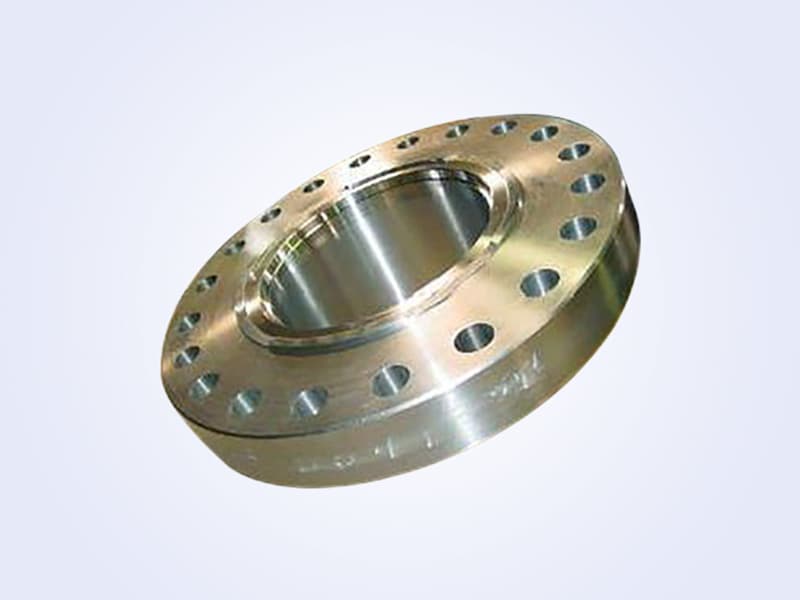
For medium/low pressure, slip-on and weld neck are most common. Also specify the facing type (raised face, flat face, ring joint) and surface finish required for the gasket.
Inspection Documents Required
To ensure flange quality, request the following documents from the supplier:
- Material Test Certificate (MTC): 3.1 or 3.2 per EN 10204, or mill certificate per ASTM/ASME.
- Heat Number Traceability: For all flanges in the batch.
- Dimensional Inspection Report: Verifying critical dimensions (OD, ID, bolt circle, thickness, hub dimensions).
- Pressure Test Certificate: If specified, a hydrostatic or pneumatic test.
- Non-Destructive Examination (NDE) Reports: Such as ultrasonic, magnetic particle, or liquid penetrant testing, if required by the standard or purchase order.
- Coating/Certification: For galvanized or epoxy-coated flanges.
RFQ Checklist for Procurement
When issuing a request for quotation (RFQ), include the following details to avoid ambiguity:
- Quantity: Number of flanges per size and type.
- Standard: ASME B16.5 Class 150 RF DN 100 (or equivalent).
- Material: ASTM A105 Carbon Steel, ASTM A182 F304/F316 Stainless Steel, etc.
- Flange Type: SO, WN, SW, TH, BL.
- Facing: RF, FF, RTJ; roughness value if required.
- End Connection: For weld neck, specify schedule of pipe.
- Markings: Per standard (size, class, material, heat number).
- Packaging: Export-worthy packing (plywood cases, steel pallets).
- Certificates: Indicate required inspection documents.
- Delivery Terms: Incoterm, lead time, partial shipment allowed?
Quality Risks to Watch For
- Dimensional Tolerances: Flanges that are out-of-spec cause misalignment and leaks. Verify bolting dimensions and seating surface flatness.
- Material Substitution: Ensure the material grade matches the MTC. Request random material testing for critical orders.
- Defective Sealing Surfaces: Scratches, pits, or roughness can cause gasket failure. Inspect raised face finish.
- Incorrect Heat Treatment: Annealing or normalizing may be required for certain materials; check if the supplier provides heat treatment certificates.
- Counterfeit Flanges: In the global market, counterfeit flanges with false markings exist. Source only from reputable manufacturers like Hebei Haihao Group, who provide full traceability.
What to Send Before Quotation
To get accurate pricing and lead time, send the following to the supplier:
- Complete flange specification sheet (as per RFQ checklist).
- Piping class or material specification.
- Any special requirements (e.g., NACE MR0175 for sour service, Charpy impact testing).
- Delivery destination (for freight calculation).
- Approximate order volume (frame contract possibility).
Conclusion
Procuring medium and low pressure flanges requires careful attention to standards, dimensions, materials, and documentation. By following this guide, you can minimize risks and ensure that the flanges meet both design requirements and operational safety. For reliable manufacturing and full compliance, consider Hebei Haihao Group as a trusted partner.
RFQ with Hebei Haihao Group
For your next flange requirement, send your RFQ to Hebei Haihao Group. We produce flanges to ASME, EN, JIS, and DIN standards in carbon steel, stainless steel, and alloy steel. Every flange comes with full traceability and required certification. Contact us for a competitive quote and short lead times.
Need a quote for the products mentioned in this article?
Submit your specs and our pressure piping team will respond within one business day.
Send RFQRelated reading
 Buyer guide
How to Review WPS, PQR and Welder Qualification Documents
A practical guide for EPC engineers and procurement managers on reviewing welding procedure specifications (WPS), procedure qualification records (PQR), and welder certificates, with key checks and common pitfalls.
 Buyer guide