Introduction
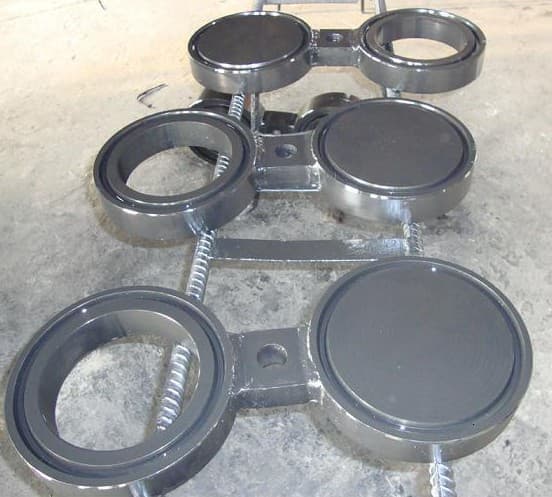
Figure 8 blind flanges, also known as spectacle blinds or blanking flanges, are critical components in piping systems for isolating sections of a pipeline. They consist of two metal discs connected by a small section – one solid (blank) and one open (spacer) – allowing quick changeover between flow and isolation states. For procurement engineers, selecting reliable Figure 8 blinds is essential for safety and operational flexibility. This guide covers key technical considerations, applicable standards, and a practical RFQ checklist to help you source from manufacturers like Hebei Haihao Group.
What Is a Figure 8 Blind Flange?
A Figure 8 blind flange is a single-piece fitting with a blank end and a spacer end, typically installed between two flanges. By rotating the assembly, the operator can either block flow (blank side) or allow flow (spacer side). These are common in medium-to-low pressure applications (Class 150 to Class 600) in industries such as petrochemical, power generation, and water treatment.
Standards to Confirm
When specifying Figure 8 blind flanges, ensure they meet the following standards:
| Standard | Description |
|---|---|
| ASME B16.48 | Standard for line blanks (spectacle blinds) – covers dimensions, pressure-temperature ratings, materials, and marking. |
| ASME B16.5 | Relevant for flange facing dimensions, bolt circle, and thickness if the blind is designed to match standard flanges. |
| ASTM A105 / A350 LF2 | Common carbon steel materials for raised-face blinds. For corrosive environments, consider ASTM A182 F304/F316 (stainless steel). |
Confirm the pressure class (e.g., Class 150, 300, 600) and flange facing (raised face, flat face, or RTJ). Always request material test certificates (MTCs) per EN 10204 3.1 or 3.2.
Inspection Documents Required
To ensure quality and traceability, request the following documents:
- Material Test Certificate (MTC) showing chemical composition and mechanical properties.
- Dimensional inspection report confirming compliance with ASME B16.48.
- Visual inspection report for surface defects, corrosion protection, and marking.
- If required, third-party inspection certificates (e.g., by Lloyd’s, BV, or SGS).
RFQ Checklist
When sending a Request for Quotation (RFQ) for Figure 8 blind flanges, include:
- Nominal pipe size (NPS) and pressure class.
- Flange facing type (e.g., Raised Face, Flat Face, Ring-Type Joint).
- Material grade (e.g., ASTM A105, A350 LF2, F316).
- Quantity and any specific marking requirements (e.g., tag number, heat number).
- Inspection and certification requirements (MTC, NDT, third-party).
- Packaging (e.g., wooden crates for export).
- Delivery terms (Incoterms and required lead time).
Quality Risks to Watch
- Incorrect thickness: The blank and spacer must match the flange pressure rating. Verify thickness against ASME B16.48.
- Surface finish: Gasket surfaces must be smooth (typical Ra 3.2–6.3 μm for raised face).
- Handle integrity: The connecting bar between blank and spacer must be strong enough to avoid breakage during rotation.
- Material substitution: Always request MTCs to ensure no downgraded material.
What to Send Before Quotation
To speed up the quotation process, provide:
- Piping class specification (if available).
- Detailed drawing or reference standard (ASME B16.48).
- Any special material requirements (e.g., low-temperature carbon steel for cold services).
- Quantity and preferred delivery schedule.
Conclusion
Figure 8 blind flanges offer a simple yet robust solution for pipe isolation. By adhering to ASME B16.48 and procuring from an experienced manufacturer, you ensure safety and long service life. Hebei Haihao Group is a reliable supplier of Figure 8 blind flanges in carbon and stainless steels, with capabilities to meet various pressure classes. For a detailed quotation or technical consultation, please contact our sales team with your RFQ requirements.
RFQ CTA
For your next project, send your Figure 8 blind flange requirements to Hebei Haihao Group. We provide certified products conforming to ASME B16.48, ASTM materials, and deliver with full documentation. Email us your RFQ today.
Need a quote for the products mentioned in this article?
Submit your specs and our pressure piping team will respond within one business day.
Send RFQRelated reading
Buyer guideProcurement Guide for Mid-Pressure Pipe Fittings and Flanges
A practical guide for EPC engineers and buyers on specifying and sourcing mid-pressure flanges, fittings, and pipe bends. Covers standards, material selection, RFQ checklist, and quality risks.
Buyer guide