Introduction
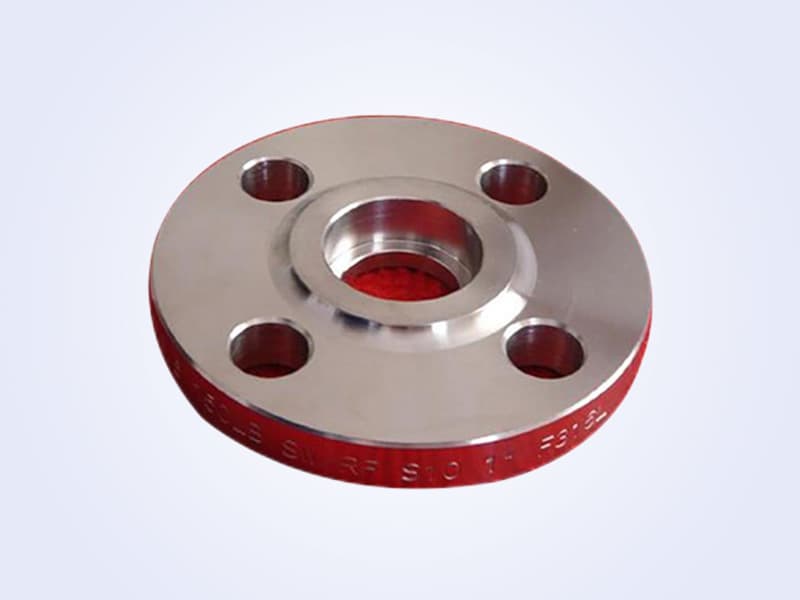
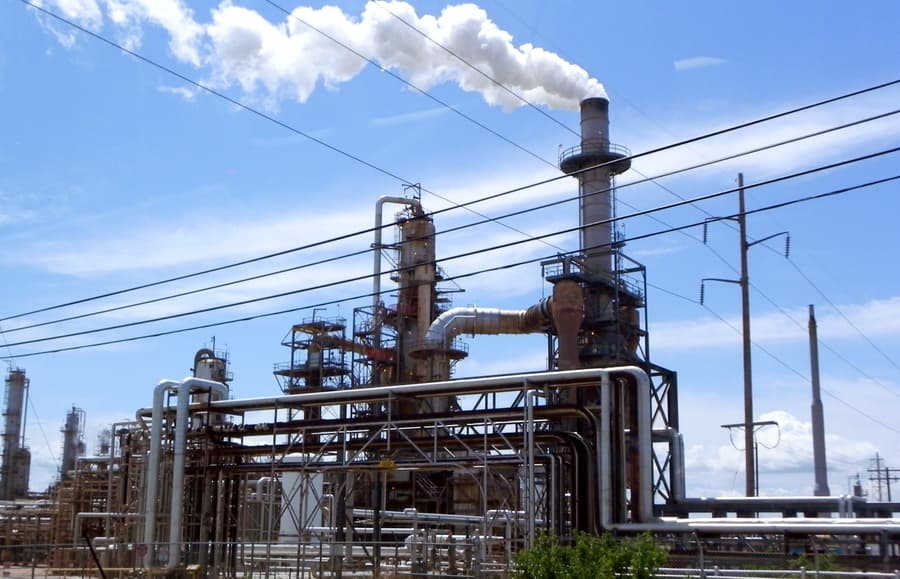
High-pressure flanges are critical components in industries such as oil and gas, petrochemical, power generation, and marine engineering. They ensure leak-free connections in piping systems operating under extreme pressures and temperatures. For procurement engineers, selecting the right flange involves more than matching dimensions—it requires understanding material grades, manufacturing standards, and quality assurance. This guide provides a practical framework for sourcing high-pressure flanges, drawing on industry best practices and technical requirements.
Standards to Confirm
When specifying high-pressure flanges, compliance with international standards is non-negotiable. Common standards include:
- ASME B16.5: For flanges up to 24 inches and pressure classes 150 to 2500.
- ASME B16.47: For larger diameters (26 to 60 inches) in Series A and B.
- API 6A: For wellhead and tree equipment, often used in high-pressure oil and gas service.
- EN 1092-1: European standard for flanges with PN ratings.
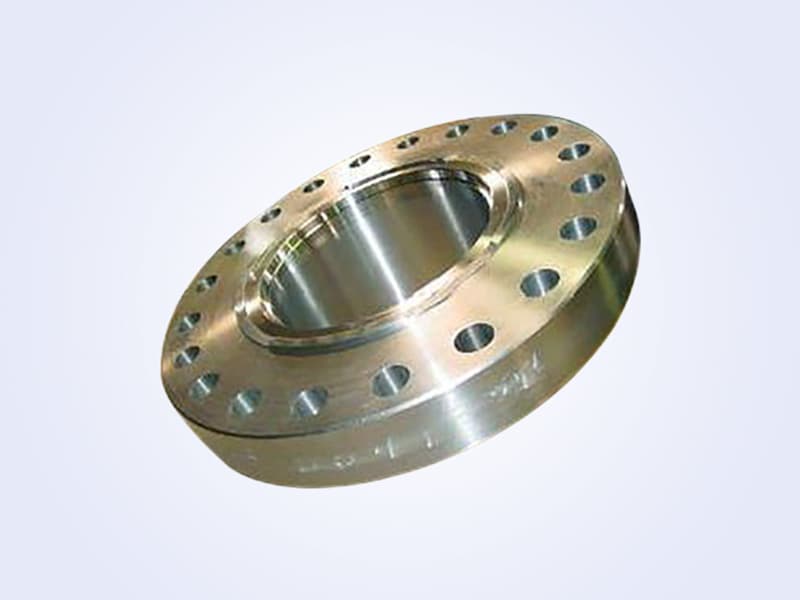
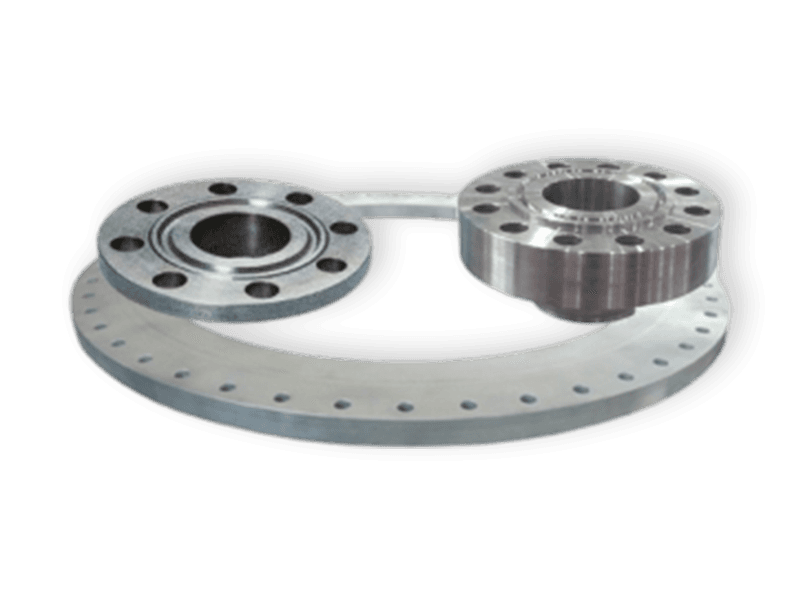
Ensure the flange rating (e.g., Class 600, 900, 1500) matches your system design pressure. Also verify facing type (RF, RTJ, FF) and gasket compatibility.
Material Selection and Certifications
High-pressure flanges are typically forged for strength. Common materials include:
- Carbon steel: ASTM A105 (standard), A350 LF2 (low temp).
- Stainless steel: ASTM A182 F304/F316 (corrosion-resistant).
- Alloy steel: ASTM A182 F11/F22 (high temp).
Request material test reports (MTRs) to verify chemical and mechanical properties. For sour service (H2S), specify NACE MR0175 compliance.
Key Inspection Documents
Before accepting delivery, ensure the following documents are provided:
- Material Test Certificates (MTRs) per EN 10204 3.1 or 3.2.
- Dimensional inspection report.
- Hardness test report (if required).
- Heat treatment charts (normalizing, quenching, tempering).
- Pressure test certificate for flanges with test requirements.
RFQ Checklist: What to Send Before Quotation
To receive accurate quotes, supply the following in your RFQ:
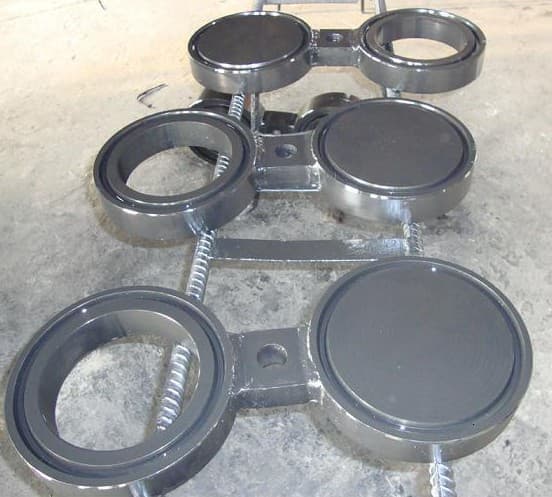
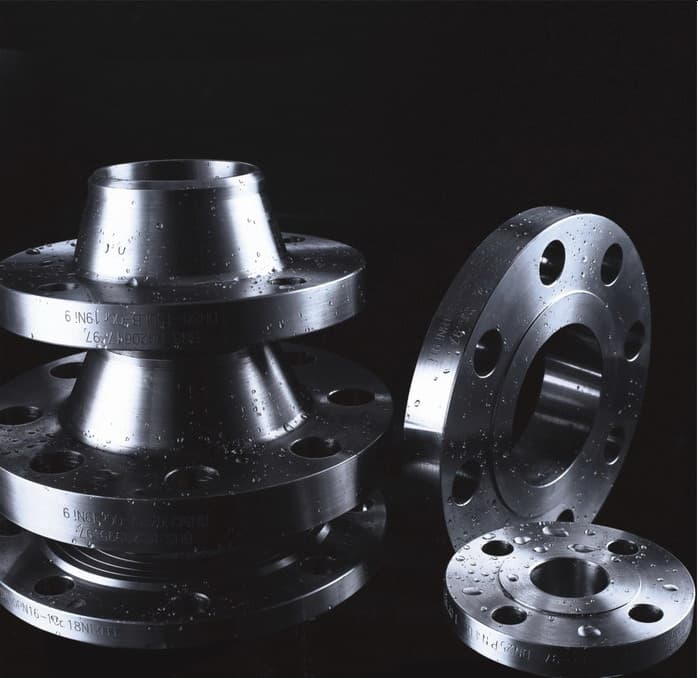
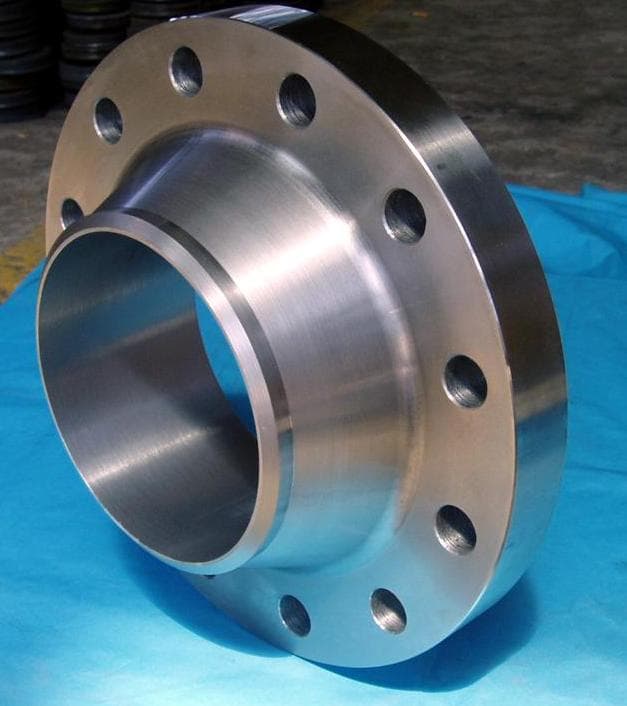
- Flange type (slip-on, weld neck, blind, etc.)
- Size (nominal pipe size, schedule if applicable)
- Pressure class (e.g., 150, 300, 600, 900, 1500, 2500)
- Facing (RF, FF, RTJ, etc.)
- Material grade (e.g., A105, F316)
- Quantity (including units)
- Applicable standard (ASME, API, EN)
- Special requirements (NACE, impact testing, PMI)
- Delivery timeline and destination
Quality Risks to Watch For
- Inadequate heat treatment: Can cause cracking under pressure. Verify heat treatment charts.
- Porosity or inclusions: Common in poor-quality forgings. Insist on ultrasonic or radiographic testing for critical service.
- Incorrect dimensions: Especially bolt hole alignment and raised face height. Request dimensional inspection reports.
- Counterfeit materials: Always source from reputable manufacturers. Request traceability from mill to finished product.
Why Choose Hebei Haihao Group
Hebei Haihao Group is a reliable manufacturer of high-pressure flanges with decades of experience. They offer a wide range of materials and pressure classes, with full traceability and third-party inspection support. Their quality management system ensures compliance with international standards.
RFQ CTA
For your next high-pressure flange procurement, send your RFQ to Hebei Haihao Group. Include the checklist above to receive a competitive quotation with certified quality.
Need a quote for the products mentioned in this article?
Submit your specs and our pressure piping team will respond within one business day.
Send RFQRelated reading
Procurement Guide: How to Specify Forged Pipe Fittings and Flanges for Medium and Low Pressure Applications
A practical guide for procurement engineers on specifying forged pipe fittings and flanges, including material selection, standards, inspection documents, and RFQ best practices.