Introduction
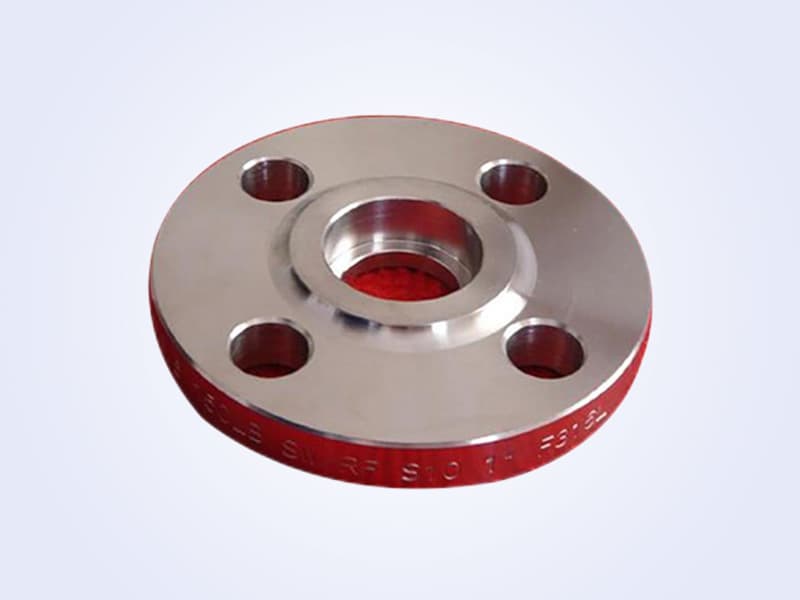
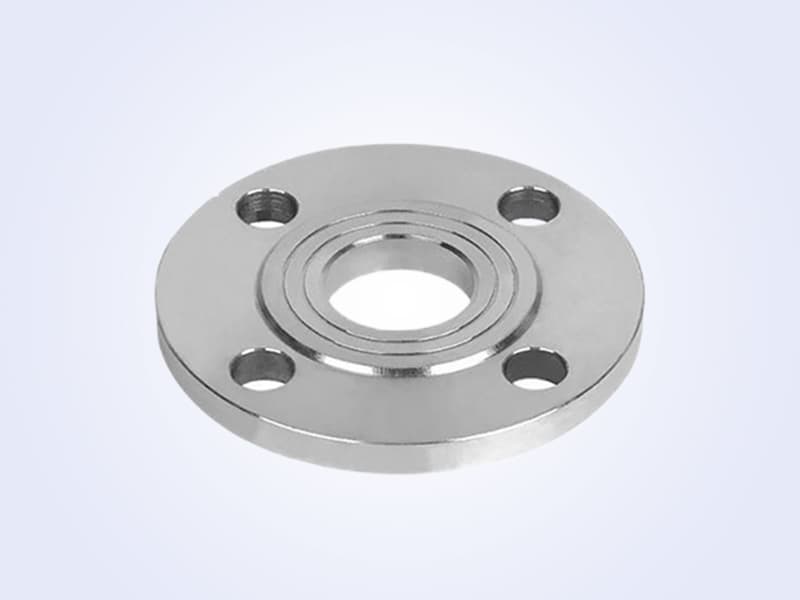
Stainless steel flanges have become a preferred choice in industrial piping systems for their corrosion resistance, high temperature tolerance, and mechanical strength. For procurement engineers and project managers, selecting the right stainless steel flange is critical to ensuring system reliability, safety, and longevity. This guide provides a practical framework for evaluating and sourcing stainless steel flanges for high-pressure and high-temperature applications.
Key Advantages of Stainless Steel Flanges
Stainless steel flanges offer several benefits over carbon steel or other alloy flanges:
- Corrosion resistance: Alloying elements like chromium and nickel form a passive oxide layer that resists rust and chemical attack, ideal for corrosive environments (chemical plants, offshore, water treatment).
- High-temperature performance: Austenitic grades (e.g., 304, 316) retain strength and oxidation resistance up to about 800°C (1472°F) in continuous service.
- Strength and durability: Stainless steel flanges can withstand high pressures and mechanical loads without deformation or leakage.
- Aesthetic appeal: Smooth surface finish is often specified for hygienic or architectural applications, though not a primary engineering requirement.
Standards to Confirm
When procuring stainless steel flanges, verify compliance with recognized international standards. Common specifications include:
| Standard | Description |
|---|---|
| ASME B16.5 | Pipe flanges and flanged fittings (for NPS ½ to 24) |
| ASME B16.47 | Large diameter steel flanges (NPS 26 to 60) |
| EN 1092-1 | Flanges for PN, DN designations (European) |
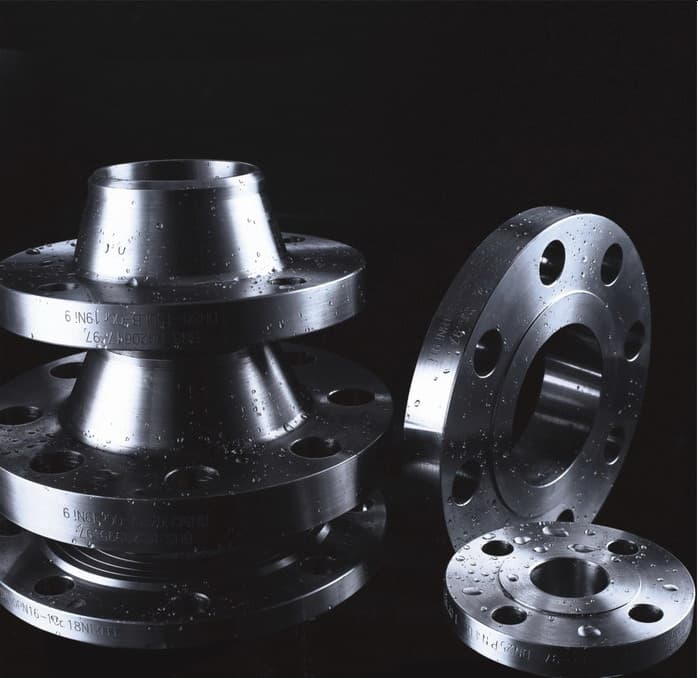
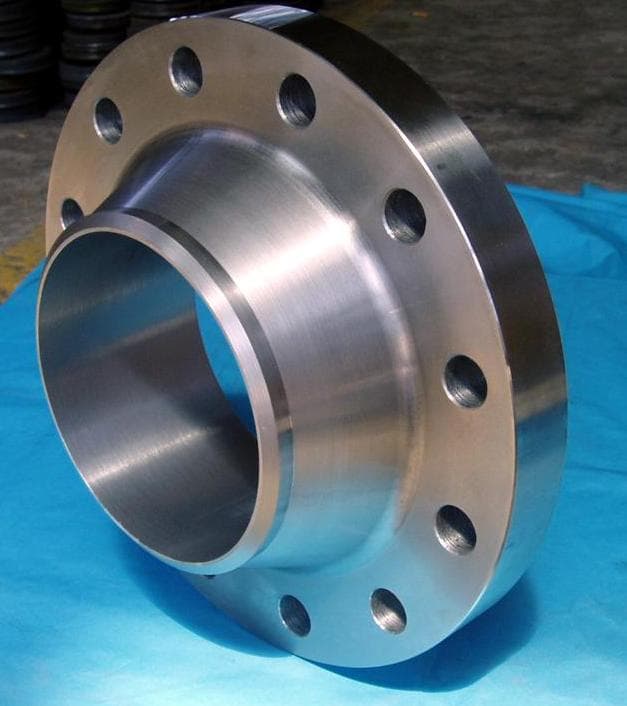
| DIN 2633 | Welding neck flanges (common in legacy European projects) |
| JIS B2220 | Steel pipe flanges (Japanese standard) |
| MSS SP-44 | Steel pipeline flanges (for high-pressure transmission) |
Always confirm the applicable standard with your project specification or client.
Materials and Grades
The most common stainless steel grades for flanges are:
- 304 / 304L: General-purpose, good corrosion resistance in non-aggressive environments. 304L has lower carbon for better weldability.
- 316 / 316L: Enhanced resistance to chlorides and acids due to molybdenum. Preferred for marine and chemical services.
- 321: Stabilized grade for high-temperature applications (resists intergranular corrosion).
- Duplex (e.g., 2205): High strength and excellent stress corrosion cracking resistance for demanding oil & gas or offshore environments.
Ensure that the material test certificate (EN 10204 3.1 or 3.2) is provided to verify chemical composition and mechanical properties.
Inspection Documents to Request
To guarantee quality, require the following documents from your supplier:
- Material Test Certificate (MTC): Traceable to the heat number.
- Dimensional Inspection Report: All critical dimensions per standard (flange diameter, bolt circle, hub length, etc.).
- Hydrostatic Pressure Test Certificate: Verifies integrity under specified test pressure (usually 1.5 times the rated pressure).
- Nondestructive Testing (NDT) Reports: If required (e.g., ultrasonic test for thickness, liquid penetrant for surface defects).
- Heat Treatment Records: For flanges requiring solution annealing or stress relieving.
RFQ Checklist for Stainless Steel Flanges
When sending a Request for Quotation, include the following details to avoid costly errors:
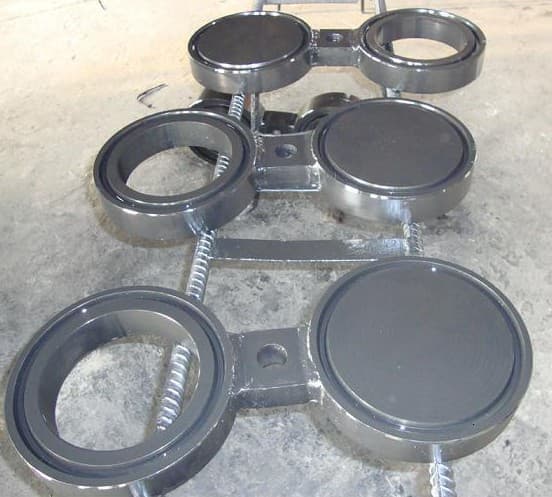
- Flange type (weld neck, slip-on, blind, socket weld, threaded)
- Standard and pressure class (e.g., ASME B16.5 Class 150, PN16)
- Nominal pipe size (NPS) or DN
- Material grade and specification (e.g., ASTM A182 F316L)
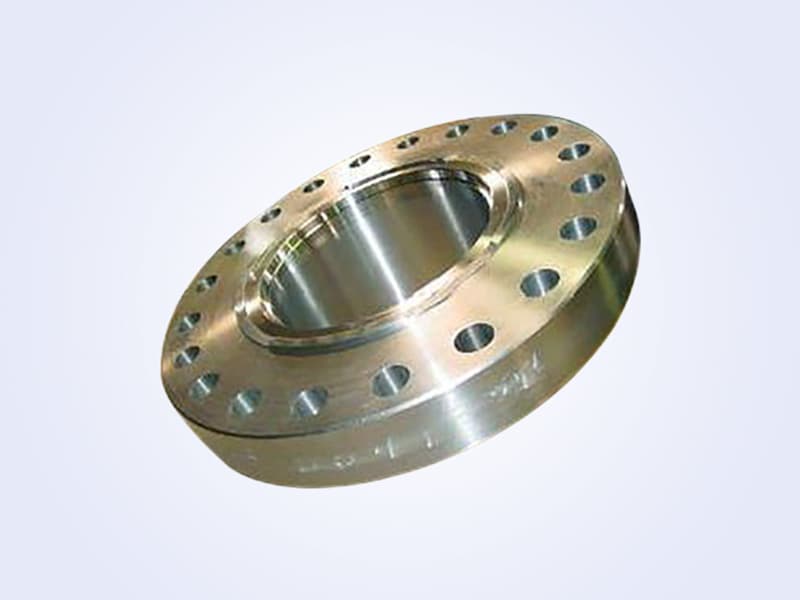
- Facing finish (RF, FF, RTJ) per ASME B16.5
- Quantity and delivery schedule
- Required certifications (MTC, test reports)
- Special requirements (e.g., positive material identification, Charpy impact test)
Common Quality Risks and How to Mitigate
- Improper material: Counterfeit or off-spec grades can cause premature failure. Always perform positive material identification (PMI) on receipt.
- Dimensional nonconformance: Gasket seating surface defects or out-of-tolerance bolt holes lead to leakage. Require dimensional inspection reports and consider third-party survey.
- Weldability issues: Excessive carbon content may cause sensitization. Specify low-carbon grades (304L/316L) or stabilized grades for welding.
- Surface contamination: Chloride-containing environments can cause stress corrosion cracking. Ensure passivation or pickling as per ASTM A380.
What to Send Before Quotation
Before requesting a quote for stainless steel flanges from Hebei Haihao Group, provide the following:
- Detailed flange specification (type, size, class, facing)
- Material grade and any supplementary requirements (e.g., impact testing)
- Quantity and required delivery date
- Destination port or incoterm
- Any project-specific quality or inspection requirements
This ensures accurate pricing and lead time from the manufacturer.
Conclusion
Stainless steel flanges offer superior performance in corrosive, high-temperature, and high-pressure environments. By following a structured procurement process—confirming standards, requesting proper documentation, and specifying clear requirements—you can minimize risk and ensure reliable supply. For your next project, consider sourcing from experienced manufacturers who can provide full traceability and custom solutions.
For a quotation or technical consultation on stainless steel flanges, contact Hebei Haihao Group with your project details.
Need a quote for the products mentioned in this article?
Submit your specs and our pressure piping team will respond within one business day.
Send RFQRelated reading
Buyer guideProcurement Guide for Mid-Pressure Pipe Fittings and Flanges
A practical guide for EPC engineers and buyers on specifying and sourcing mid-pressure flanges, fittings, and pipe bends. Covers standards, material selection, RFQ checklist, and quality risks.
Buyer guide