Description
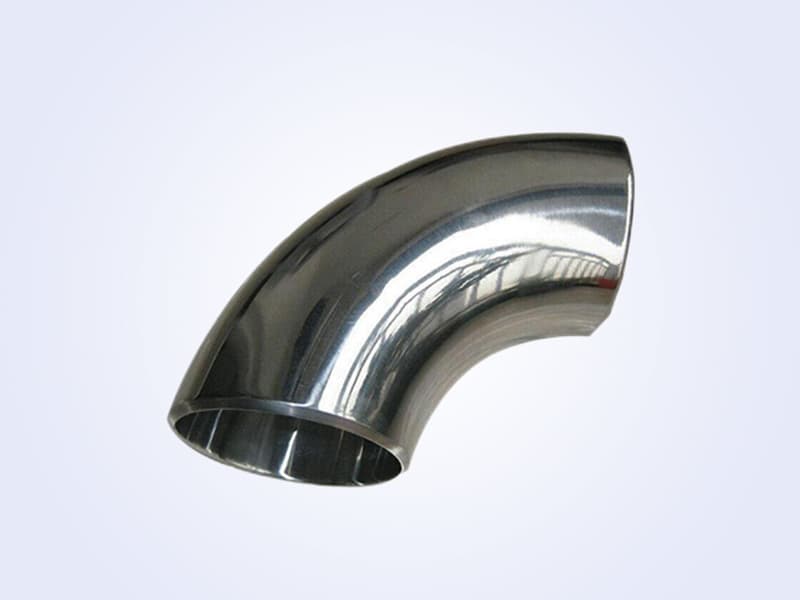
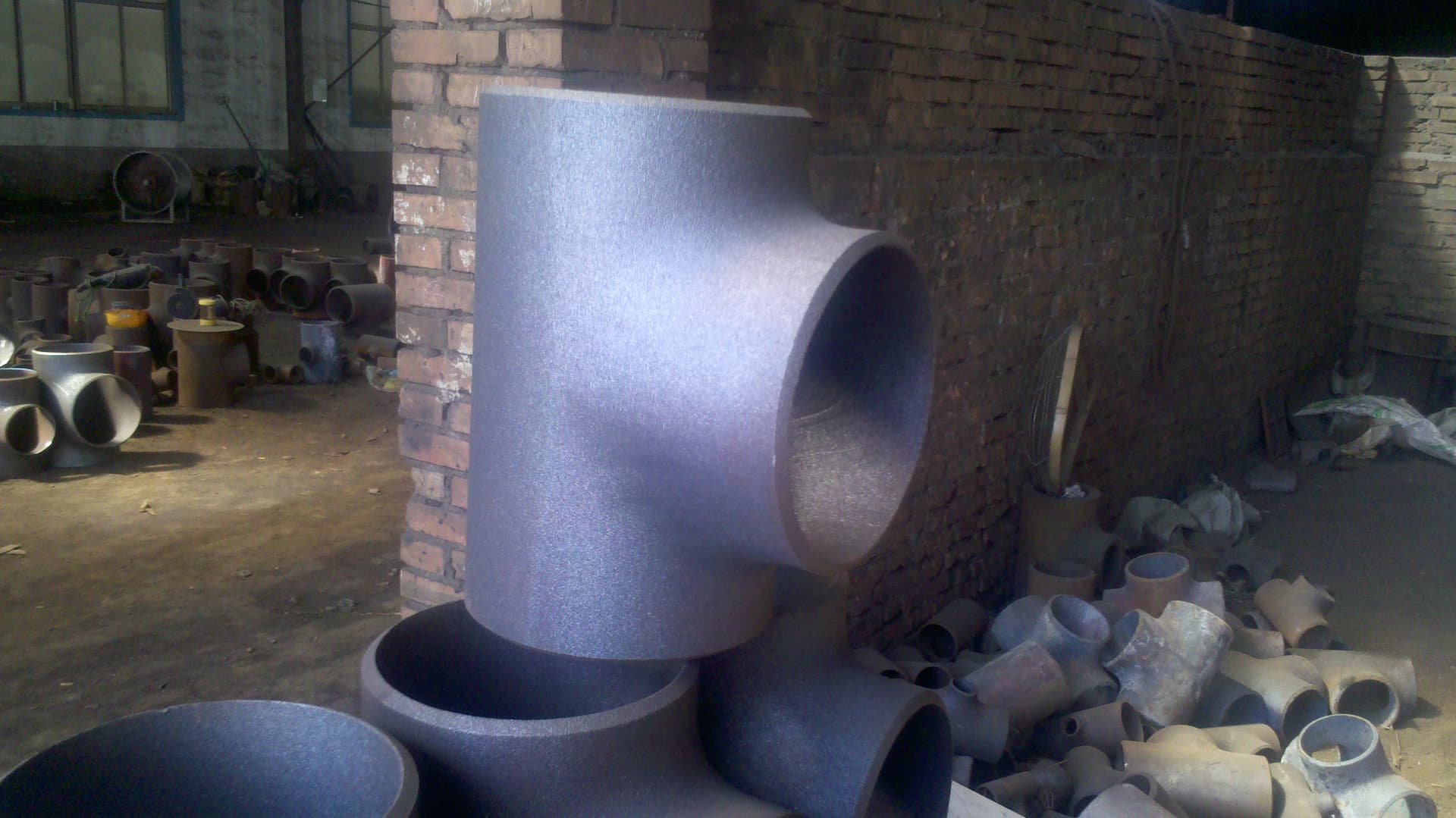
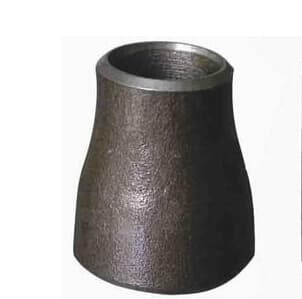
Seamless butt-welding pipe fittings cover four product families — elbows, tees, reducers and end caps — all manufactured to ASME B16.9 (NPS 1/2–48 long-radius), ASME B16.28 (short-radius NPS 1/2–24), MSS SP-75 / ASTM A860 (WPHY high-strength low-alloy) and GB/T 12459. Elbows change pipe direction (45°/90°/180°) at 1.5D long-radius or 1.0D short-radius per B16.9. Tees branch the main line (equal or reducing). Reducers transition between bore sizes (concentric or eccentric). Caps close pipe ends (typically ellipsoidal heads). All fittings are bevelled for butt-welding to seamless pipe of the matching material; final grade, schedule and heat-treatment state per drawing / RFQ.
Applications
Used in oil & gas, petrochemical, gas transmission, power generation (incl. subcritical/supercritical main steam and reheat lines), shipbuilding, boiler & pressure-vessel piping, food and pharmaceutical piping projects; scope follows ASME B31.1 / B31.3 / B31.4 / B31.8.
Technical specs
Materials: carbon, low-alloy, alloy, austenitic stainless, duplex. Elbows by hot-pushing, pressing or cold extrusion; tees by hot-extrusion or hydraulic bulging; reducers by shrinking/expanding; caps by pressing or spinning. Wall schedule per ASME B36.10M (carbon/alloy, STD/XS/Sch 40/80/120/160/XXS) or B36.19M (stainless S series). Dimensions and tolerance per ASME B16.9 (NPS 1/2–48) and B16.28 (SR NPS 1/2–24); large bore above NPS 48 to MSS SP-75 / ASTM A860 WPHY; factory-made induction bends to ASME B16.49. Per ASME B16.9 Section 2 (Pressure Ratings), butt-welding fittings carry no Class pressure rating — working pressure equals that of seamless pipe of the same material, schedule and OD. Final material, schedule, angle, radius and applicable code per drawing or RFQ.
Referenced standards
- Standard title
- Standard Specification for Piping Fittings of Wrought Carbon Steel and Alloy Steel for Moderate and High Temperature Service
- Issuing body
- ASTM International
- Standard title
- Standard Specification for Wrought Austenitic Stainless Steel Piping Fittings
- Issuing body
- ASTM International
- Standard title
- Standard Specification for Piping Fittings of Wrought Carbon Steel and Alloy Steel for Low-Temperature Service
- Issuing body
- ASTM International
- Standard title
- Specification for High-Test, Wrought, Butt-Welding Fittings
- Issuing body
Similar / alternate materials
This product covers multiple base grades. Alternates below are grouped by base family — each card is an upgrade path FROM the labeled base grade when service conditions move outside its envelope. Final selection must be reviewed by a qualified materials engineer.
Switch to A420 WPL6 when service temp ≤ -29°C (Charpy at -46°C); WPB is not qualified for low temperature.
For creep range (~450-540°C) move to 1.25Cr-0.5Mo (WP11) or 1Cr-0.5Mo (WP12).
For high-temp creep / hydrogen service use 2.25Cr-1Mo (WP22), common in hydrotreaters and boiler reheat.
Typical industry applications
How procurement teams typically deploy this material/category in real projects. Compare against your project spec before locking the BOM.
- Oil & Gas PipelinesOnshore crude / gas trunk lines: API 5L X42 and below pair with A234 WPB; X52-X70 must pair with MSS SP-75 WPHY-52/60/65/70 (yield-strength match). Service window -29 to +120°C (B31.4 / B31.8 onshore practice).
- Water & Fire ProtectionMunicipal water, cooling-water loops, fire mains; carbon steel with galvanizing or epoxy lining.
- LNG / CryogenicPropane / LPG (~-46°C) → A420 WPL6; ethylene (~-101°C) → A420 WPL3; LNG (-162°C) / liquid nitrogen (-196°C) butt-weld fittings step up to A420 WPL8 (Ni 8.4–9.6%, commonly called 9% Ni).
- Power GenerationSub / supercritical main steam and reheat lines: WP11 (~540°C) / WP22 (~565°C) / WP91 (~620°C).
- Refinery / HydroprocessingHydrocracking / hydrotreating reactor in/out lines; hydrogen-service per Nelson curve uses WP5 / WP9 / WP22.
- OffshoreSeawater loops / FPSO process lines prefer duplex A815 WP-S31803 (2205) / super duplex A815 WP-S32750 (2507); 316L only for short-term or low-chloride sections (SCC risk above ~60°C even with 316L).
Standards and Materials
The following supports product selection and RFQ communication. Final requirements follow drawings, standards and purchase documents.