Why this matters
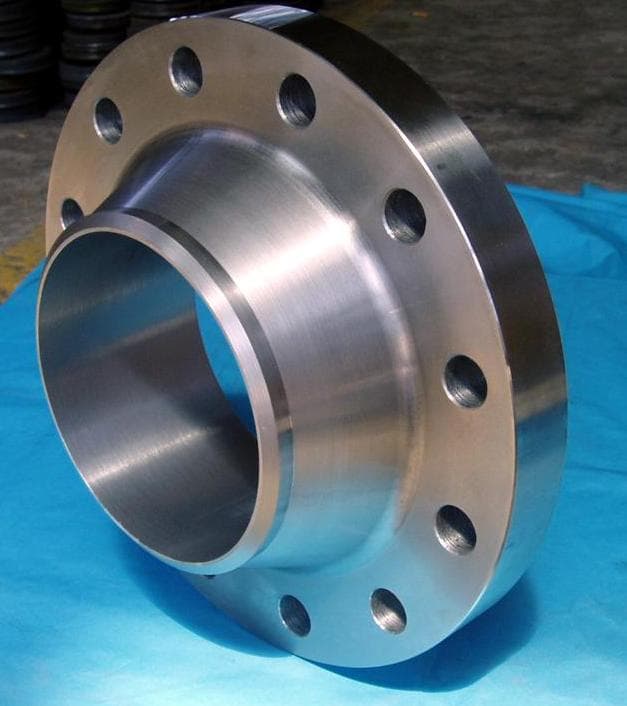
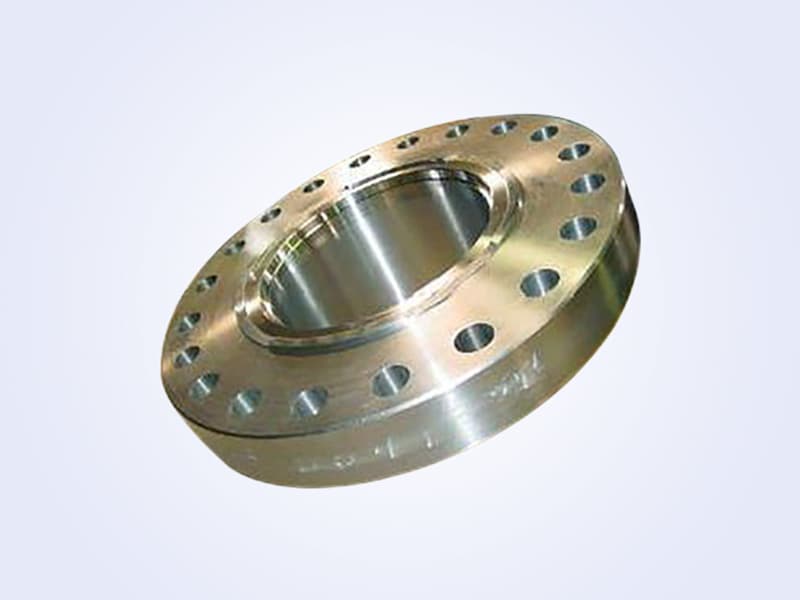
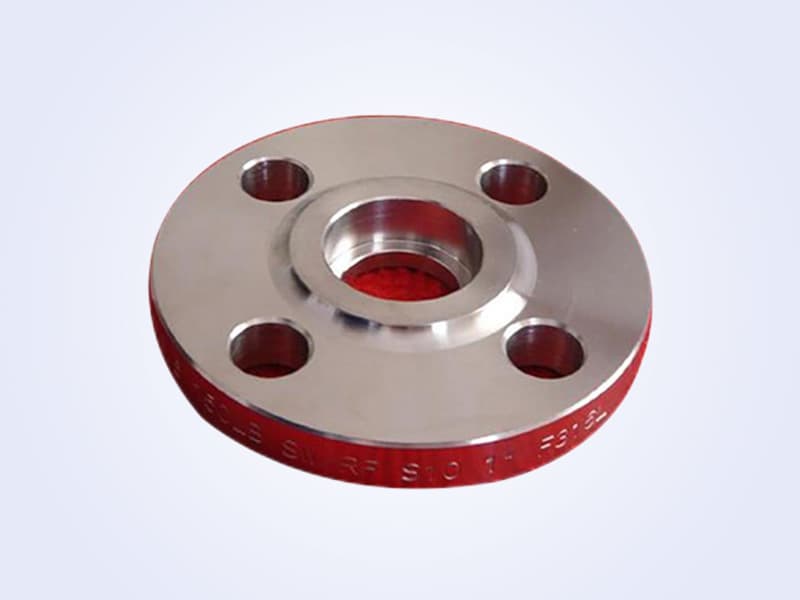
When design temperature drops below 0 degC, ordinary ASTM A105 forged flanges are no longer code-compliant. ASME B31.3 and ASME VIII require notch toughness data, which is exactly what ASTM A350 was written to provide. Choosing among LF2, LF3 and LF6 is one of the most common questions procurement engineers ask before issuing a low temperature flange enquiry.
This guide gives a verified, side-by-side view of the three grades and explains where each one wins.
Key technical facts
ASTM A350 covers carbon and low-alloy steel forgings tested for notch toughness and intended for low-temperature service. The three commercially dominant grades are:
| Grade | Family | Standard impact test temperature | Typical use |
|---|---|---|---|
| LF2 Cl.1 / Cl.2 | Carbon steel | -46 degC (-50 degF) | General low-temperature carbon steel piping |
| LF3 Cl.1 / Cl.2 | 3.5% nickel steel | -101 degC (-150 degF) | Ethylene, ethane, LPG, light cryogenic service |
| LF6 Cl.1 / Cl.2 | Vanadium-microalloyed HSLA | -51 degC (-60 degF) for Cl.1 / Cl.2; -18 degC for Cl.3 | High-strength low-temperature service |
LF2 is the most widely produced grade and shares chemistry with the older LF1, but with higher minimum yield strength. LF3 is sometimes called "3.5 nickel steel" and uses 3.3-3.7% Ni to push impact transition far below ambient. LF6 uses vanadium microalloying and sits in the high-strength low-alloy (HSLA) family.
Decision matrix
| Design min. temperature | Recommended A350 grade | Notes |
|---|---|---|
| 0 to -29 degC | LF2 Cl.1 | Most economical |
| -29 to -46 degC | LF2 Cl.1 / Cl.2 | Confirm Charpy energy on MTC |
| -46 to -60 degC | LF6 Cl.1 / Cl.2 | Higher yield, slightly tighter chemistry |
| -60 to -101 degC | LF3 Cl.1 | 3.5% Ni; longer lead time |
| Below -101 degC | Move to A522 (9% Ni) or austenitic stainless | Outside A350 envelope |
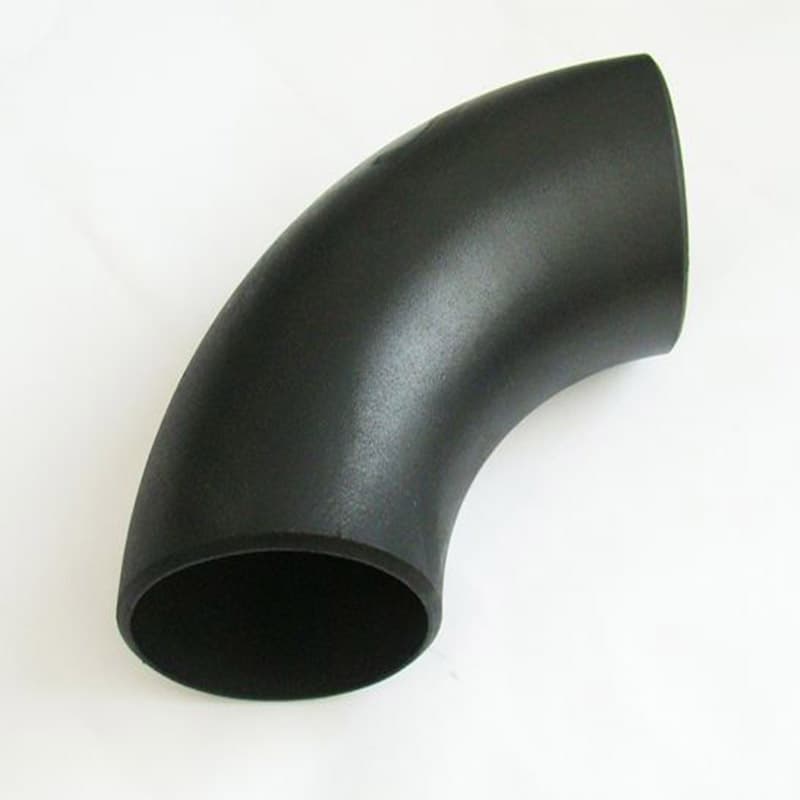
For matching pipe, LF2 commonly mates with ASTM A333 Gr. 6 seamless steel pipes and A420 WPL6 seamless butt-welding pipe fittings. LF3 typically mates with A333 Gr. 3 or Gr. 8 pipe and A420 WPL3 or WPL8 fittings. Always check that the matching pipe grade is qualified to the same impact temperature.
Common procurement mistakes
- Specifying A350 LF2 below -46 degC without supplementary impact testing. The standard's default test temperature is -46 degC; deeper service requires a documented test at the lower temperature.
- Mixing classes (Class 1 vs Class 2) on a single tag. Class 2 is heat treated for higher strength and may behave differently in flanged joint relaxation.
- Forgetting the Charpy retest rules. A350 allows specific retest provisions; reject reports that do not show the full set of three values plus average.
- Buying LF6 when LF2 plus normalising would have done. LF6 carries a price premium for vanadium microalloying.
- Not specifying ferritic-only chemistry restrictions for sour service. A350 grades can be ordered to NACE MR0175, but only if you say so.
Buyer checklist
- Confirm minimum design temperature and the corresponding Charpy energy requirement on the data sheet.
- For each grade, ensure the MTC reports three individual Charpy values plus the average at the specified test temperature.
- Cross-check the matching pipe bends and buttweld fittings are qualified to the same impact envelope.
- Verify heat treatment condition (normalized, normalized and tempered, or quench and tempered).
- For NACE service, request additional sour service certification and 22 HRC max hardness.
- Submit your low temperature flange enquiry through our inquiry page and request our certificates to verify ISO and PED documentation.
Sources
- https://www.octalflange.com/astm-a350-lf2/
- http://www.metalspiping.com/astm-a350.html
- http://www.pipingpipeline.com/astm-a350-lf6-forgings-for-piping.html
Need a quote for the products mentioned in this article?
Submit your specs and our pressure piping team will respond within one business day.
Send RFQRelated reading
TechnicalMonel 400 and K-500 Pipe Fittings for Marine Saltwater Service
How to specify Monel 400 and Monel K-500 pipe fittings for seawater and marine service, including chemistry, pitting behaviour and procurement checklist.
Technical