Why this matters
Carbon equivalent (CE or CEV) is a single number that compresses a steel chemistry into a weldability index. For procurement engineers, it is one of the simplest tools to compare two heats of nominally the same grade and predict which one will give the welding contractor a hard time on site.
Most specification disputes around carbon steel pipe and fittings (A106, A234, A105, API 5L) trace back to either chemistry tolerances or carbon equivalent. This article explains the formula, its limits, and how to use it in your purchase orders.
Key technical facts
The most widely used carbon equivalent formula is the one published by the International Institute of Welding (IIW), recognised in ASTM, EN and API documents:
CEV (IIW) = %C + %Mn / 6 + (%Cr + %Mo + %V) / 5 + (%Ni + %Cu) / 15
The formula is generally applied to carbon and carbon-manganese steels with carbon content above approximately 0.18%. Below that, formulas such as Pcm (Ito-Bessyo) are more representative for hydrogen cracking risk.
A few reference points:
| CEV value | Typical interpretation |
|---|---|
| Below 0.40 | Easy to weld with standard procedures |
| 0.40 - 0.45 | Preheat may be required for thicker sections |
| 0.45 - 0.50 | Preheat normally required, controlled hydrogen consumables |
| Above 0.50 | High risk of hydrogen-induced cold cracking; full WPS qualification critical |
API 5L PSL 2 line pipe limits CEV based on carbon content (clauses 9.2.4 / 9.2.5). For C above 0.12%, the IIW formula applies; for C at or below 0.12%, the Pcm formula is used. Many EN and ASTM specifications also allow optional CEV ceilings as ordering options.
Decision matrix: when to add a CEV cap
| Service | Suggested PO clause |
|---|---|
| Onshore process piping, ambient | No mandatory CEV cap (rely on grade limits) |
| Sour service H2S | CEV 0.43 max + NACE MR0175 |
| Low-temperature flanges | CEV 0.43 max + A350 LF2 |
| High wall thickness above 19 mm | CEV 0.42 max to ease preheat regime |
| Field welding by less-qualified contractors | CEV 0.40 max where commercially viable |
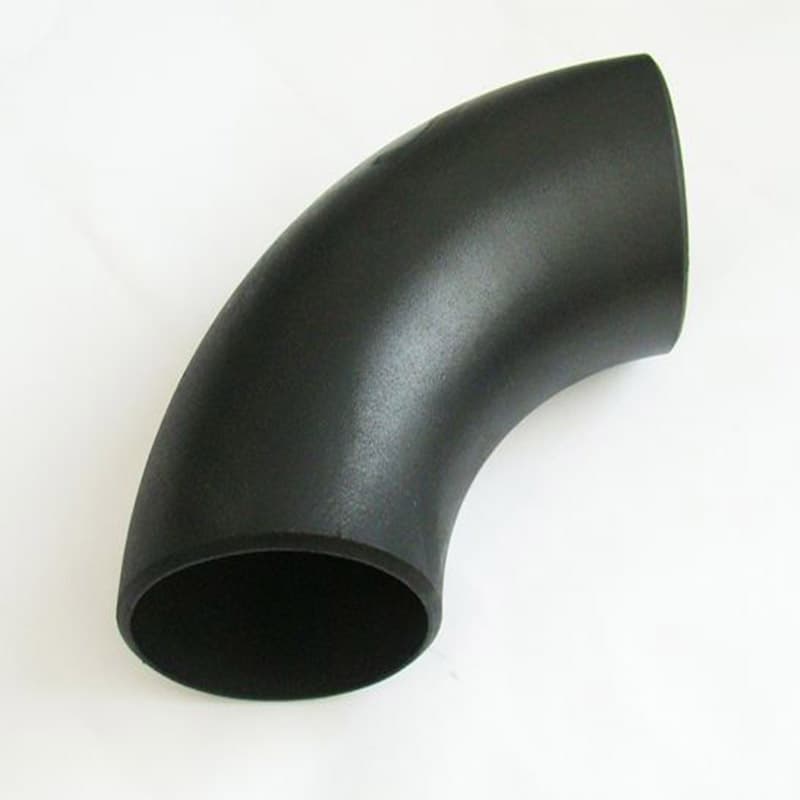
For seamless butt-welding pipe fittings made from A234 WPB, the standard does not cap CEV by default. If your project specification requires a cap, it must be written into the PO and reported on the MTC.
Common procurement mistakes
- Using the IIW formula on low-carbon steel. Below 0.18% C, Pcm is the better predictor of cracking risk.
- Caps copied across grades. A 0.43 cap may be reasonable for A106 Gr B but excessive for an A335 P22.
- Confusing heat analysis CEV with product analysis CEV. Tolerances apply; specify which is binding.
- Forgetting that CEV does not capture residual elements. N, B and Ti can affect HAZ behaviour even when CEV looks low.
- Demanding a CEV cap without telling the mill. Mills will only certify what is on the order; a verbal request is not enforceable.
Buyer checklist
- Decide whether your project needs a CEV cap; document it in the PO.
- Specify which formula (IIW or Pcm) applies, and which analysis (heat or product).
- Request CEV on the MTC for every heat, not just a typical value.
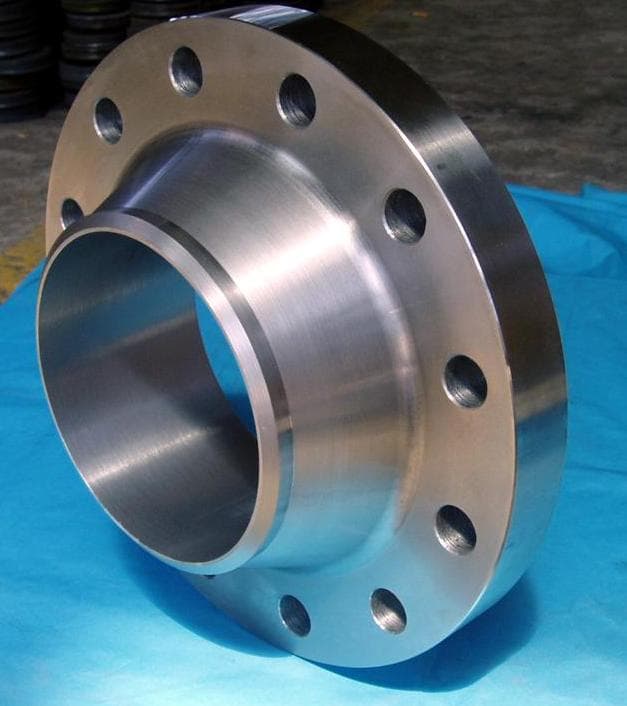
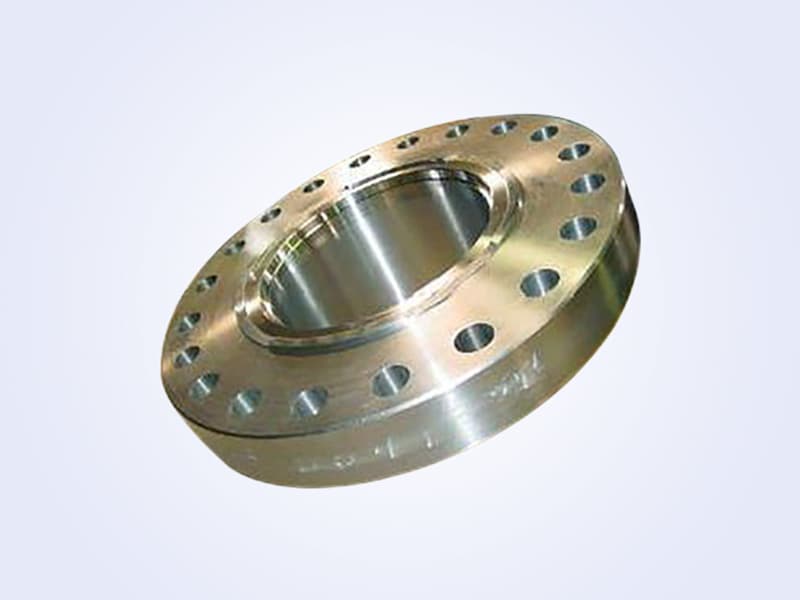
- Cross-check matching pipe bends and forged flanges use chemistry compatible with your CEV cap.
- Send your enquiry with the CEV requirement clearly stated through our inquiry page.
Sources
- https://www.azom.com/article.aspx?ArticleID=19998
- https://ped-online.com/ped-pressure-faq/carbon-equivalent-formula-for-steel-an-overview/
- https://amerpipe.com/reference/charts-calculators/carbon-equivalant-calculator/
Need a quote for the products mentioned in this article?
Submit your specs and our pressure piping team will respond within one business day.
Send RFQRelated reading
TechnicalMonel 400 and K-500 Pipe Fittings for Marine Saltwater Service
How to specify Monel 400 and Monel K-500 pipe fittings for seawater and marine service, including chemistry, pitting behaviour and procurement checklist.
Technical