Why this matters
A pipe fitting shipment can sit at port for weeks — and even be re-exported at the importer's cost — because of one untreated wooden pallet. ISPM-15 (International Standard for Phytosanitary Measures No. 15), published by the IPPC under the FAO, governs wood packaging in international trade. More than 130 countries enforce it, including all major destinations for Chinese pipe fittings: USA, Canada, Mexico, the EU, UK, Australia, Brazil, India, Japan, and the GCC states. This guide explains ISPM-15 wood packing requirements, the stamp content, and what a buyer should write into the PO.
Understanding ISPM-15 wood packing requirements upfront prevents last-mile customs holds.
Method-by-method ISPM-15 compliance
1. Material scope. ISPM-15 applies to all coniferous and non-coniferous solid wood packaging > 6 mm thick: pallets, crates, boxes, dunnage, drums, spools. Excluded: plywood, OSB, particleboard, veneer (heat-processed during manufacture), and packaging entirely from wood ≤ 6 mm.
2. Debarking. All wood packaging must be debarked. Small wane is allowed (< 3 cm wide) per the ISPM-15 explanatory document.
3. Treatment options. Two approved treatments:
- Heat Treatment (HT): wood core temperature ≥ 56 °C for at least 30 continuous minutes.
- Methyl Bromide fumigation (MB): tent fumigation with methyl bromide; many countries (EU, Australia, NZ) restrict MB on environmental grounds. HT is the default.
- Dielectric heating (DH) was added as a treatment option in later revisions for sapwood pieces ≤ 20 cm cross-section (60 °C / 1 minute).
4. The IPPC mark. Often called the "wheat stamp". Required content:
- IPPC logo (the wheat symbol)
- Two-letter ISO country code (e.g., CN for China)
- Unique producer/treatment provider number assigned by the National Plant Protection Organisation (NPPO)
- Treatment code: HT, MB, or DH
- Optional: "DB" for debarked
The mark must be legible, permanent, non-transferable, and applied on at least two opposite sides of each item.
5. Authority. Treatment and marking must be carried out under the authority of the NPPO. In China, the General Administration of Customs (GACC, formerly AQSIQ) accredits treatment providers. Verify the supplier's number against GACC records.
Countries enforcing ISPM-15
More than 130 countries enforce ISPM-15. Major buyers' import authorities include:
- USA: enforced by APHIS and CBP since 2006; non-compliant cargo is re-exported at cost.
- Canada and Mexico: NAPPO partners, enforced from 2005–2006.
- European Union: enforced since 2009; covers all 27 member states.
- UK: enforced post-Brexit since 2021.
- Australia: enforced since 2004 by the Department of Agriculture (now DAFF).
- China itself: enforces ISPM-15 on imports.
USDA APHIS publishes the current list of countries requiring ISPM-15 compliance for wood packaging.
Common buyer mistakes
- Accepting plywood crates without checking that any solid-wood frame elements are also stamped.
- Forgetting that loose dunnage (the wood between bundles in the container) also needs the IPPC mark.
- Trusting a stamp without a producer number — counterfeit marks are a known risk.
- Specifying "HT pallets" but not "HT crates and dunnage".
- Using MB-fumigated packaging for the EU, where MB has been restricted since 2010.
Buyer checklist
- [ ] PO line for packing names ISPM-15 explicitly
- [ ] HT preferred over MB for EU, AU, NZ destinations
- [ ] All solid wood components > 6 mm marked (crate frames, pallets, dunnage)
- [ ] Mark visible on at least 2 opposite sides per piece
- [ ] Producer number cross-checked against GACC list
- [ ] Container loading photos document the marks
- [ ] Phytosanitary certificate available if importer requests it
Sample PO clause
"All solid wood packaging materials, including crates, pallets, and dunnage, shall comply with ISPM-15 (IPPC, 2018 revision). Heat Treatment (HT) is required; methyl bromide is not accepted. The IPPC mark with country code CN, GACC-issued producer number, and HT code shall be visible on at least two opposite sides of each item. Provide loading photos showing the marks on each pallet and dunnage piece."
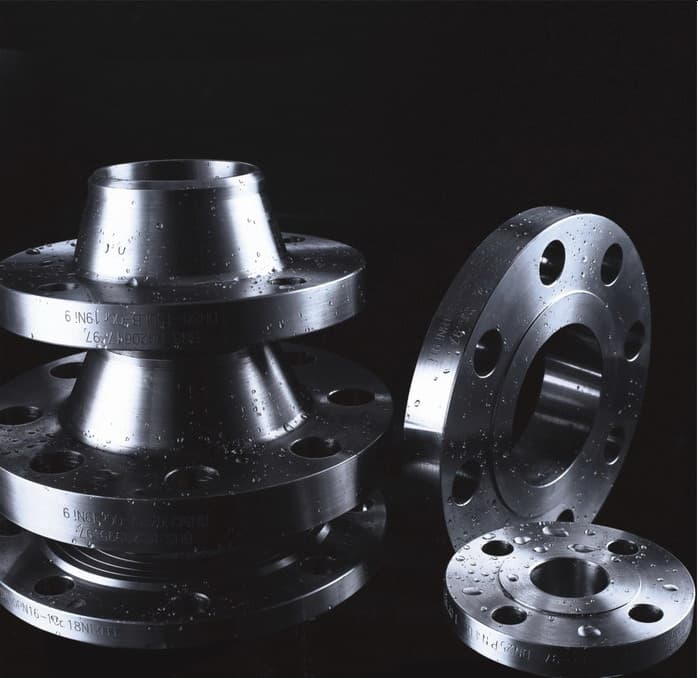
For heavy fittings such as outsize tees and reducers from our seamless butt-welding pipe fittings line, or large-bore forged flanges, our standard packing meets ISPM-15. Request the producer number through our inquiry desk or see treatment certificates on the certificates page.
Sources
- IPPC ISPM-15 standard (2018 revision): https://www.ippc.int/static/media/files/publication/en/2019/02/ISPM_15_2018_En_WoodPackaging_Post-CPM13_Rev_Annex1and2_Fixed_2019-02-01.pdf
- USDA APHIS ISPM-15 country list: https://www.aphis.usda.gov/plant-exports/wood-packaging-material/countries-requiring-ispm15
- EU wood packaging requirements: https://food.ec.europa.eu/plants/plant-health-and-biosecurity/trade-plants-plant-products-non-eu-countries/requirements-wood-packaging-dunnage_en
- IPPC explanatory document: https://www.ippc.int/static/media/files/publication/en/2017/02/ISPM_15_ED_En_2017-02-10.pdf
- ISPM-15 overview (acadon): https://acadon.net/en/blog/ispm-15-standard/
Need a quote for the products mentioned in this article?
Submit your specs and our pressure piping team will respond within one business day.
Send RFQRelated reading
 Buyer guide
How to Review WPS, PQR and Welder Qualification Documents
A practical guide for EPC engineers and procurement managers on reviewing welding procedure specifications (WPS), procedure qualification records (PQR), and welder certificates, with key checks and common pitfalls.
 Buyer guide