Why this matters
Monel 400 (UNS N04400) and Monel K-500 (UNS N05500) are nickel-copper alloys widely used in seawater piping, marine pumps, valve trim and offshore service where chloride pitting must be avoided and biofouling-resistant performance is needed. Choosing between the two depends on whether the service is corrosion-only (Monel 400) or corrosion plus high mechanical strength (Monel K-500).
Key technical facts
Monel 400 typical chemistry:
| Element | Range |
|---|---|
| Nickel (Ni) | 63% minimum |
| Copper (Cu) | 28-34% |
| Iron (Fe) | 2.5% maximum |
| Manganese (Mn) | 2.0% maximum |
| Silicon (Si) | 0.5% maximum |
| Carbon (C) | 0.3% maximum |
| Sulfur (S) | 0.024% maximum |
Monel K-500 has the same nickel-copper base, with additions of approximately up to 3.15% aluminium and 0.85% titanium for precipitation hardening. After age hardening, K-500 reaches significantly higher yield and tensile strength than Monel 400 while retaining the corrosion resistance of the nickel-copper system.
Key service notes:
- Monel 400 resists pitting, crevice corrosion and biofouling in flowing seawater and is rated for service up to about 500-538 degC in many applications.
- In stagnant seawater, Monel 400 can experience crevice and pitting corrosion; design for flow.
- Monel K-500 also resists seawater, brine, and is particularly resistant to pitting, crevice corrosion and stress corrosion cracking after age hardening, making it a default choice for high-strength fasteners and pump shafts in marine duty.
Decision matrix
| Application | Monel 400 | Monel K-500 |
|---|---|---|
| Flowing seawater piping | Yes | Yes (cost-prohibitive) |
| Heat exchanger tubes / shell | Yes | Rare |
| Pump shafts, valve stems | Limited | Yes (high-strength) |
| Marine fasteners, bolting | No | Yes (high-strength) |
| Stagnant seawater service | Caution | Caution |
| Hydrofluoric acid service | Yes | Yes (but check H2 embrittlement) |
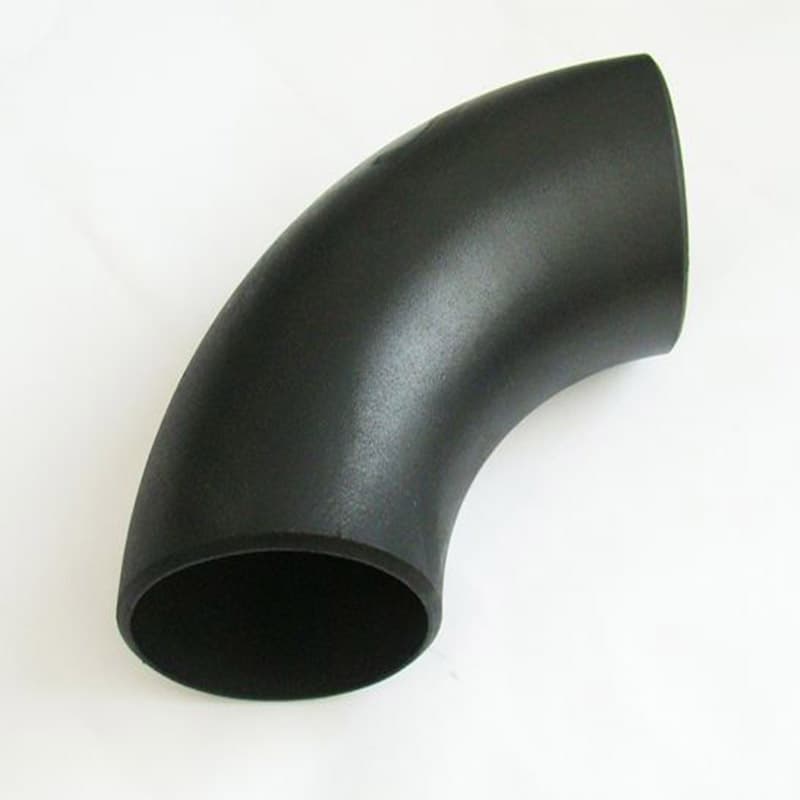
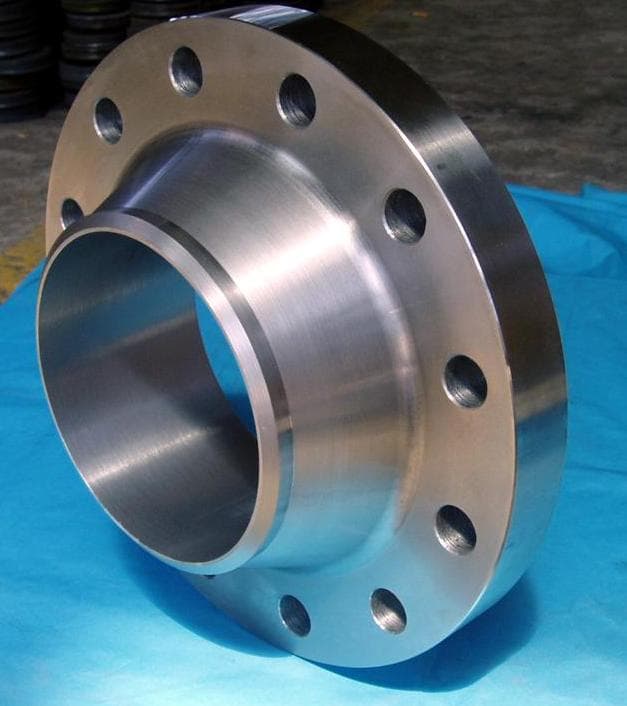
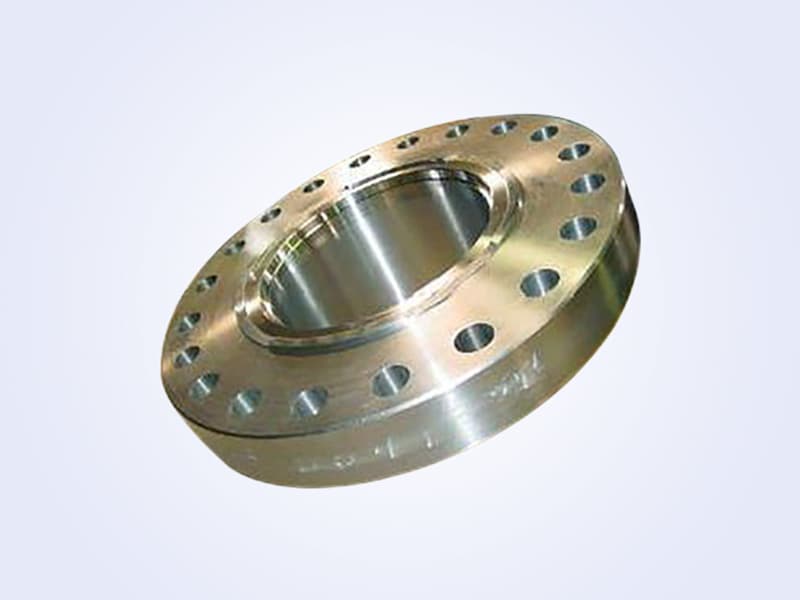
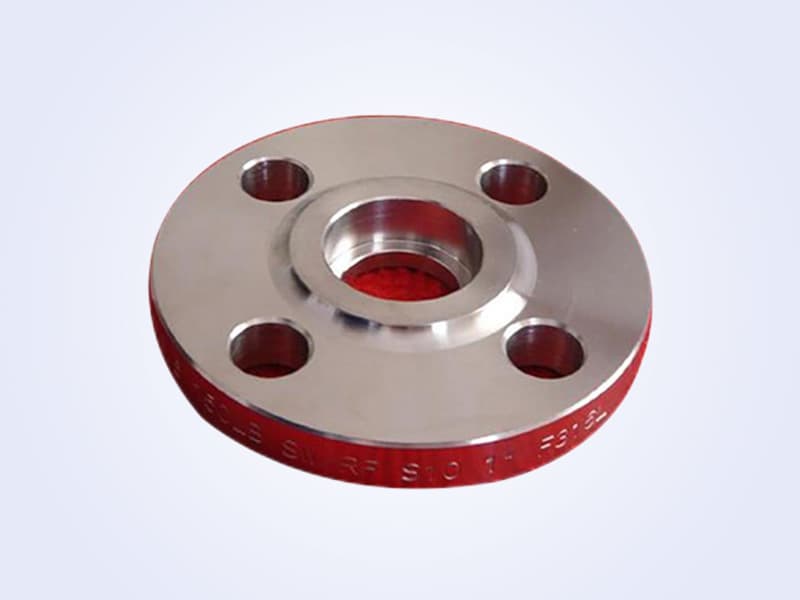
For seamless butt-welding pipe fittings and forged flanges in nickel-copper alloys, the standard delivery condition is annealed (Monel 400) or solution-treated and aged (Monel K-500). Confirm the heat treatment condition explicitly on the PO.
Common procurement mistakes
- Using Monel 400 in stagnant seawater service without flow design. Long shutdowns can trigger crevice corrosion.
- Using K-500 fasteners in cathodically protected systems without hydrogen embrittlement controls. Aged K-500 is susceptible above certain hardness levels.
- Forgetting that Monel is not approved for sulphur-containing services at high temperature. Sulphur attacks nickel alloys at elevated temperature.
- Skipping PMI on receipt. Monel can be visually confused with cupro-nickel or other high-Ni alloys.
- Welding with the wrong filler. Use ERNiCu-7 or matching consumables and qualify the procedure.
Buyer checklist
- Confirm UNS N04400 or N05500 on every MTC and via PMI.
- Specify the heat treatment condition (annealed for 400, solution-treated and aged for K-500).
- For K-500 fasteners, specify maximum hardness if cathodic protection or sour exposure is possible.
- Cross-check matching seamless steel pipes and pipe bends carry the same UNS grade.
- Confirm welding procedure with ERNiCu-7 filler.
- Send your nickel-copper enquiry through our inquiry page with seawater chemistry and service temperature.
Sources
- https://kalpatarupiping.com/monel-400-tubes-properties-applications/
- https://www.amardeepsteel.com/blog/what-is-monel.html
- https://www.jxbsc-alloy.com/news/what-is-monel-400%EF%BC%9F-what-is-monel-k500%EF%BC%9F-difference-between-monel-400-monel-k500/
Need a quote for the products mentioned in this article?
Submit your specs and our pressure piping team will respond within one business day.
Send RFQRelated reading
TechnicalTitanium Grade 2 and Grade 12 Fittings for Chloride Service
Why titanium Grade 2 and Grade 12 buttweld fittings dominate chloride and seawater service, and how to specify them under ASME B31.3 piping codes.
Technical