Why this matters
If your equipment will be put into service inside the European Economic Area, PED 2014/68/EU (the Pressure Equipment Directive) is not optional. It applies to stationary pressure equipment with a maximum allowable pressure (PS) above 0.5 bar gauge, and that includes pipes, fittings, flanges, expansion joints and many other components a procurement engineer buys every day. Getting CE marking wrong is a market-access issue, not just a paperwork issue.
Scope comparison
| Aspect | PED 2014/68/EU coverage |
|---|---|
| Geographic scope | EU/EEA market |
| Pressure threshold | Maximum allowable pressure PS > 0.5 bar gauge |
| Equipment in scope | Vessels, piping, safety accessories, pressure accessories. Piping covers pipes, tubes, fittings, expansion joints, hoses and pressure-bearing components |
| Fluids | Group 1 (dangerous: flammable, toxic, oxidising, unstable) and Group 2 (everything else) |
| Categories | I, II, III, IV (ascending hazard) determined from PS, DN/V, fluid group and state |
| Conformity assessment modules | A, A2, B, B+C2, B+D, B+E, B+F, D1, E1, G, H, H1 (subset depending on category) |
| Documentation | EU Declaration of Conformity, CE mark, technical file |
Key compliance points
- Category I: manufacturer's internal production control (Module A); no notified body needed.
- Category II: requires Modules such as A2, D1 or E1 with notified body involvement on surveillance.
- Categories III and IV: full notified body involvement, typically Module B (EU-type or design examination) combined with C2, D, E, F or H/H1 for production.
- Materials: Pressure-bearing materials must either come from a harmonised standard, a European Approval for Materials (EAM), or a Particular Material Appraisal (PMA) made by the manufacturer and accepted by the notified body.
- MTR per EN 10204: typically 3.1 for Category I and II, 3.2 for higher categories or where the notified body or buyer requires it.
- CE marking: required for items in Category I and above. Sound Engineering Practice (SEP) items in the scope but below category boundaries do NOT receive CE marking.
When PED applies to your fittings order
- Carbon steel butt-welding fittings on a refinery line: typically Group 2 fluid; category depends on DN and PS. A NPS 12 line at PS 50 bar is usually Category II at minimum.
- Hydrogen, ammonia or LPG service: Group 1, hazard category climbs quickly.
- Steam piping: special PED rules apply because steam is treated separately.
- SEP items: very small or low-pressure items may fall outside CE marking, but the manufacturer must still build them to good engineering practice.
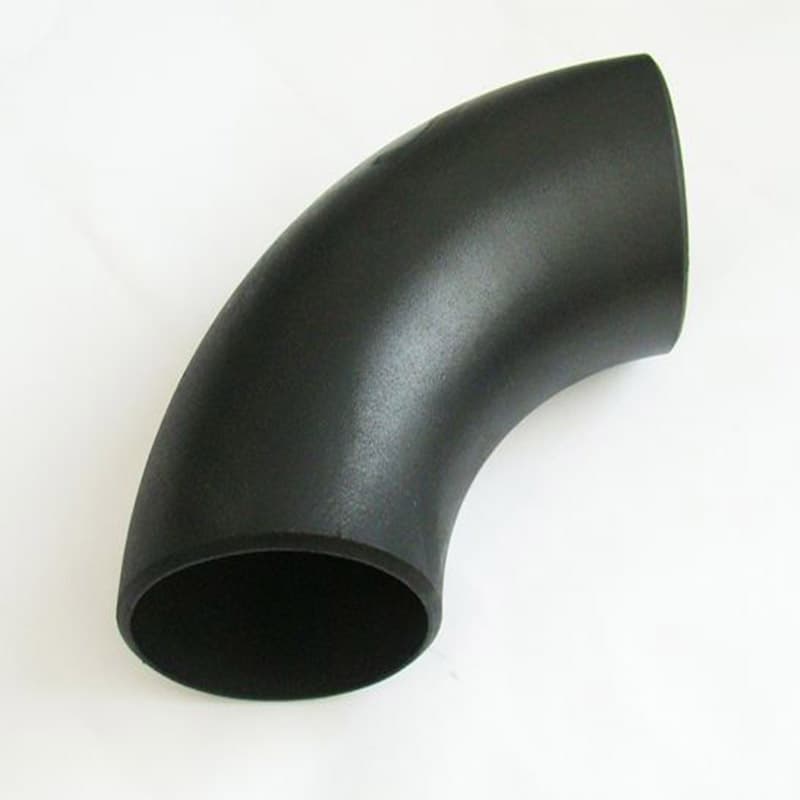
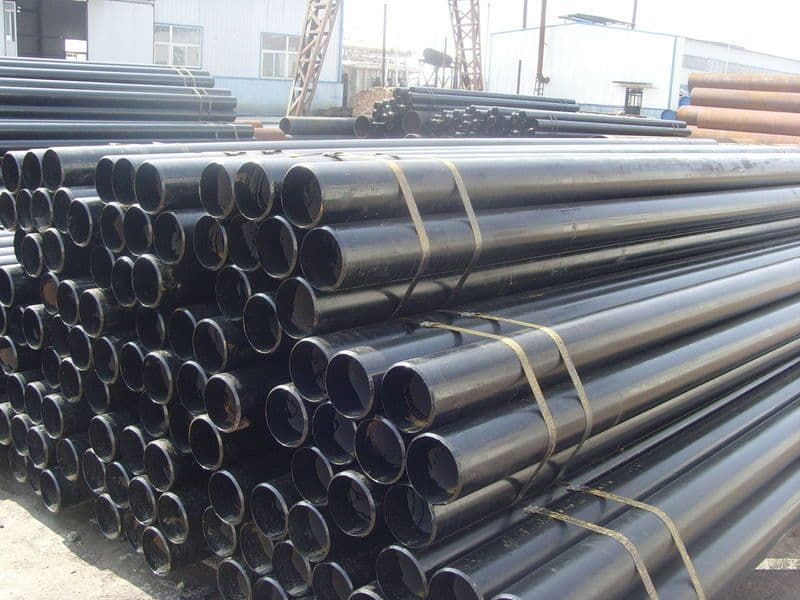
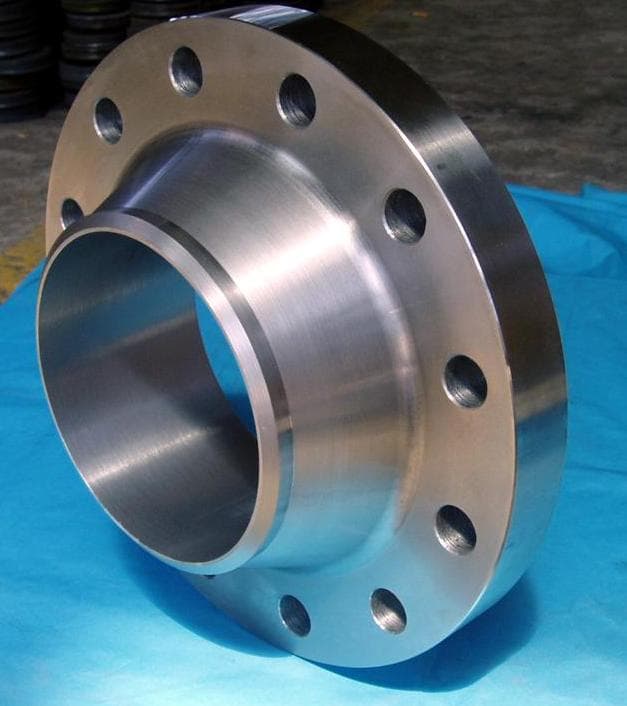
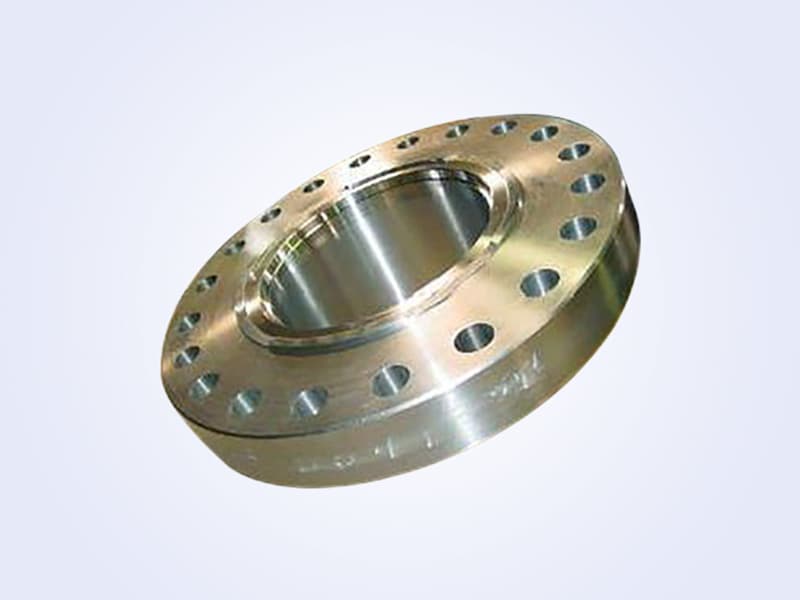
We supply CE-marked seamless butt-welding pipe fittings, forged flanges and seamless steel pipes for PED-scope projects, with notified body surveillance where required.
Procurement / spec checklist
- State PS, design temperature, fluid group and state (gas/liquid) for every item.
- Calculate the PED category from the relevant PED Annex II chart and state it in the inquiry.
- Specify the conformity assessment module the supplier must follow.
- Require EN 10204 3.1 or 3.2 MTRs and notified body identification where applicable.
- Require the manufacturer to issue an EU Declaration of Conformity referencing the directive and applicable harmonised standards (e.g. EN 1092-1, EN 10253-2 / 10253-4 for fittings, EN 10216 for seamless pipe).
- Verify the CE marking and notified body number are stamped on the body where space permits.
- Reference the latest published guidelines for the directive.
Need PED-conformant documentation issued with your order? Send the inquiry via our inquiry page; QA documentation is on our certificates page.
Sources
- https://single-market-economy.ec.europa.eu/sectors/pressure-equipment-and-gas-appliances/pressure-equipment-sector/pressure-equipment-directive_en
- https://www.tuv.com/content-media-files/master-content/services/industrial-services/i01-pressure-equipment/1826-pressure-equipment-directive/tuv-rheinland-pressure-equipment-directive-201468eu-ped-en.pdf
- https://en.wikipedia.org/wiki/Pressure_Equipment_Directive_(EU)
- https://instrktiv.com/en/ped-pressure-equipment-directive/
Need a quote for the products mentioned in this article?
Submit your specs and our pressure piping team will respond within one business day.
Send RFQRelated reading
 Standards
ASTM A860 High-Strength Buttweld Fittings: Procurement Guide
ASTM A860 covers high-strength ferritic steel butt-welding fittings for high-pressure gas and oil pipelines. This guide explains scope, key requirements, and procurement checks, including the fact that hydrostatic testing is not mandatory under this specification.
 Standards