Why this matters
Titanium pipe and fittings dominate seawater heat exchangers, ballast piping, hypochlorite handling and many chloride-rich chemical services because titanium is essentially immune to chloride pitting and stress corrosion cracking. The two grades that account for most commercial piping volume are Grade 2 (commercially pure titanium) and Grade 12 (Ti-0.3Mo-0.8Ni). They are routinely covered by ASTM B338 / B363 (pipe and fittings) and ASME SB-338 / SB-363, and are recognised in ASME B31.3 for pressure piping design.
Key technical facts
Titanium Grade 2 (UNS R50400) is unalloyed titanium with controlled iron and oxygen for moderate strength. It offers excellent resistance to oxidising and mildly reducing environments and is the workhorse for seawater service. It is essentially immune to stress corrosion cracking in seawater and resists pitting in hot chloride solutions.
Titanium Grade 12 (UNS R53400, Ti-0.3Mo-0.8Ni) is a near-alpha alloy designed to extend titanium's corrosion envelope into mildly reducing acids and elevated-temperature chloride service. It typically retains adequate strength up to higher temperatures than Grade 2.
Key design notes:
- ASME B31.3 lists allowable stresses for both grades; design wall thickness is typically a fraction of an equivalent carbon steel design due to titanium's corrosion margin.
- Both grades are immune to chloride stress corrosion cracking in normal seawater.
- Galvanic compatibility: titanium is noble; couple to suitable materials or use isolation.
Decision matrix
| Service | Grade 2 | Grade 12 |
|---|---|---|
| Cold seawater, ballast | Excellent | Excellent (premium) |
| Hot seawater above 100 degC | Acceptable | Better |
| Mildly reducing acids (dilute HCl, H2SO4) | Limited | Better |
| Hypochlorite, wet chlorine | Excellent | Excellent |
| Process piping with mixed chloride and acid | Limited | Recommended |
| Cost / availability | Lower | Higher |
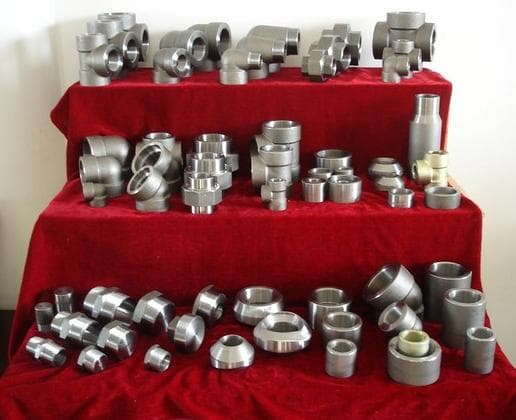
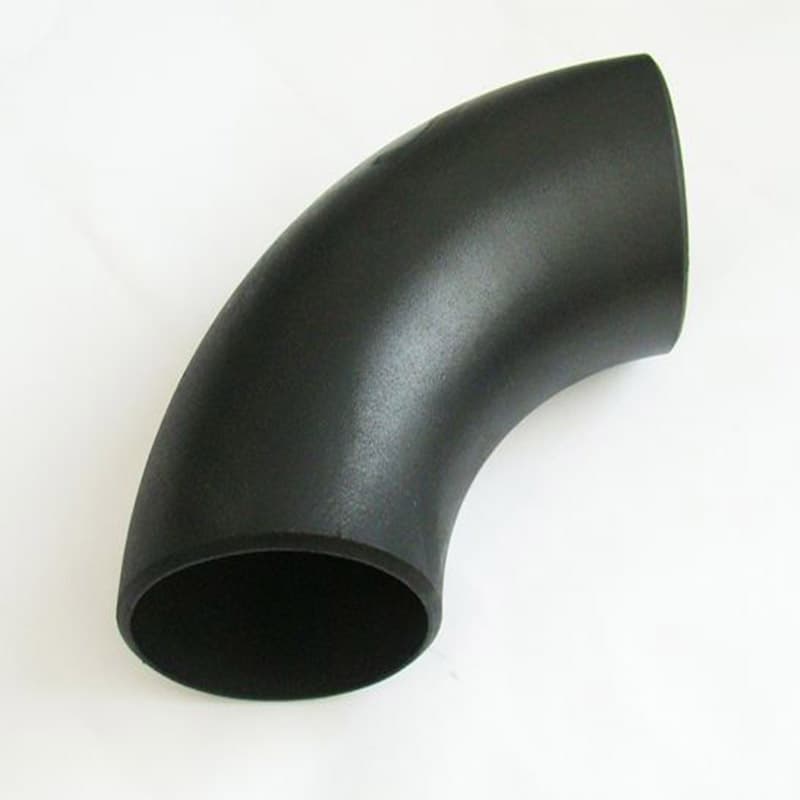
For seamless butt-welding pipe fittings in titanium, surface preparation and contamination control are critical: iron contamination, even from grinding wheels, can initiate localised corrosion.
Common procurement mistakes
- Using titanium with hot dry chlorine. Titanium can ignite in dry chlorine without sufficient water content; verify the moisture limit.
- Cross-contaminating titanium with iron or steel grit during fabrication. Use dedicated tooling, brushes and grinding wheels.
- Hydrostatic testing with chloride-rich water without precaution. Standard practice limits chloride content during hydrotest of titanium piping; consult the project specification.
- Mixing Grade 2 and Grade 12 fittings on the same line. Mechanical and weld metallurgy differ; clearly tag each item.
- Forgetting to specify the heat treatment / annealing condition. Cold-worked titanium has different mechanicals than annealed.
Buyer checklist
- Confirm UNS R50400 (Grade 2) or R53400 (Grade 12) on every MTC.
- Specify ASTM B363 buttweld fittings dimensioned to ASME B16.9.
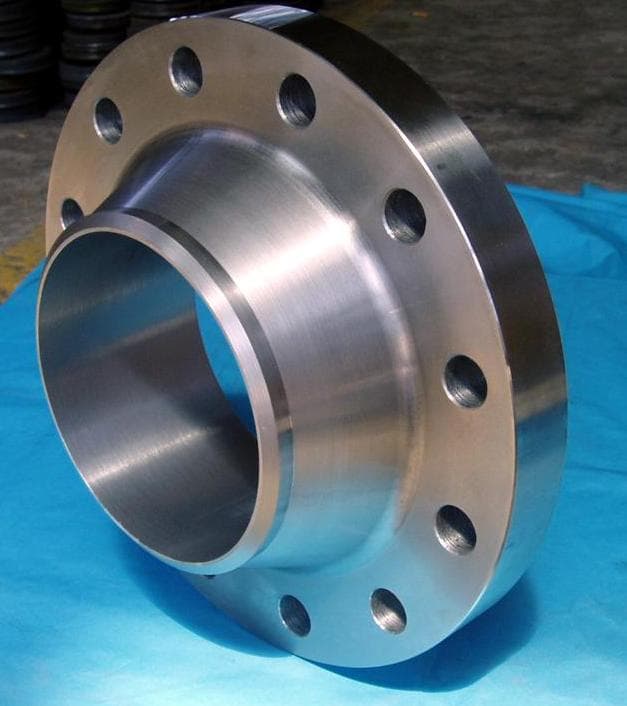
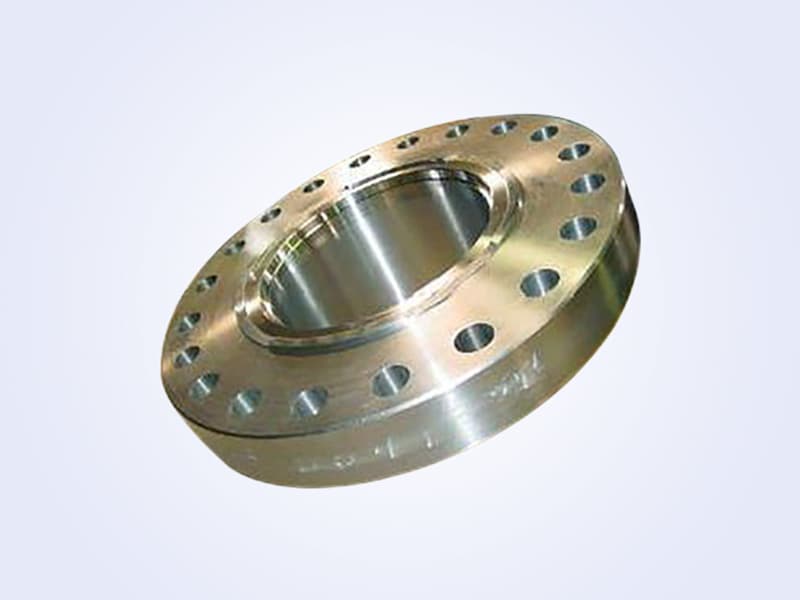
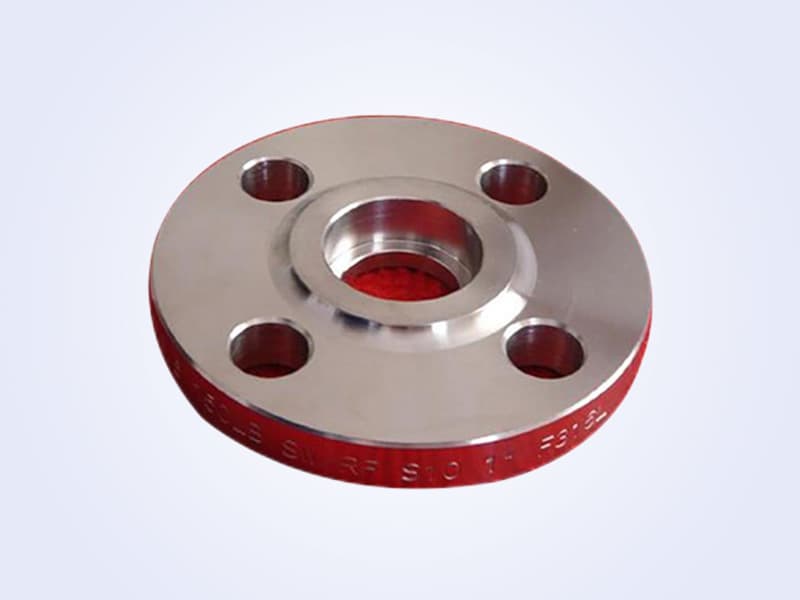
- Cross-check matching seamless steel pipes (ASTM B338) and forged flanges (ASTM B381 forging).
- Require dedicated contamination-controlled fabrication and inspection facilities.
- Confirm welding procedure qualification with backing argon shielding.
- Send your titanium piping enquiry through our inquiry page with chloride, temperature and pH data.
Sources
- https://corrosionmaterials.com/alloys/titanium-grade-2/
- http://www.metalspiping.com/titanium-grade-12-ti-0-3mo-0-8ni.html
- http://www.metalspiping.com/corrosion-resistance-of-titanium-to-water-seawater.html
Need a quote for the products mentioned in this article?
Submit your specs and our pressure piping team will respond within one business day.
Send RFQRelated reading
TechnicalMonel 400 and K-500 Pipe Fittings for Marine Saltwater Service
How to specify Monel 400 and Monel K-500 pipe fittings for seawater and marine service, including chemistry, pitting behaviour and procurement checklist.
Technical