Description
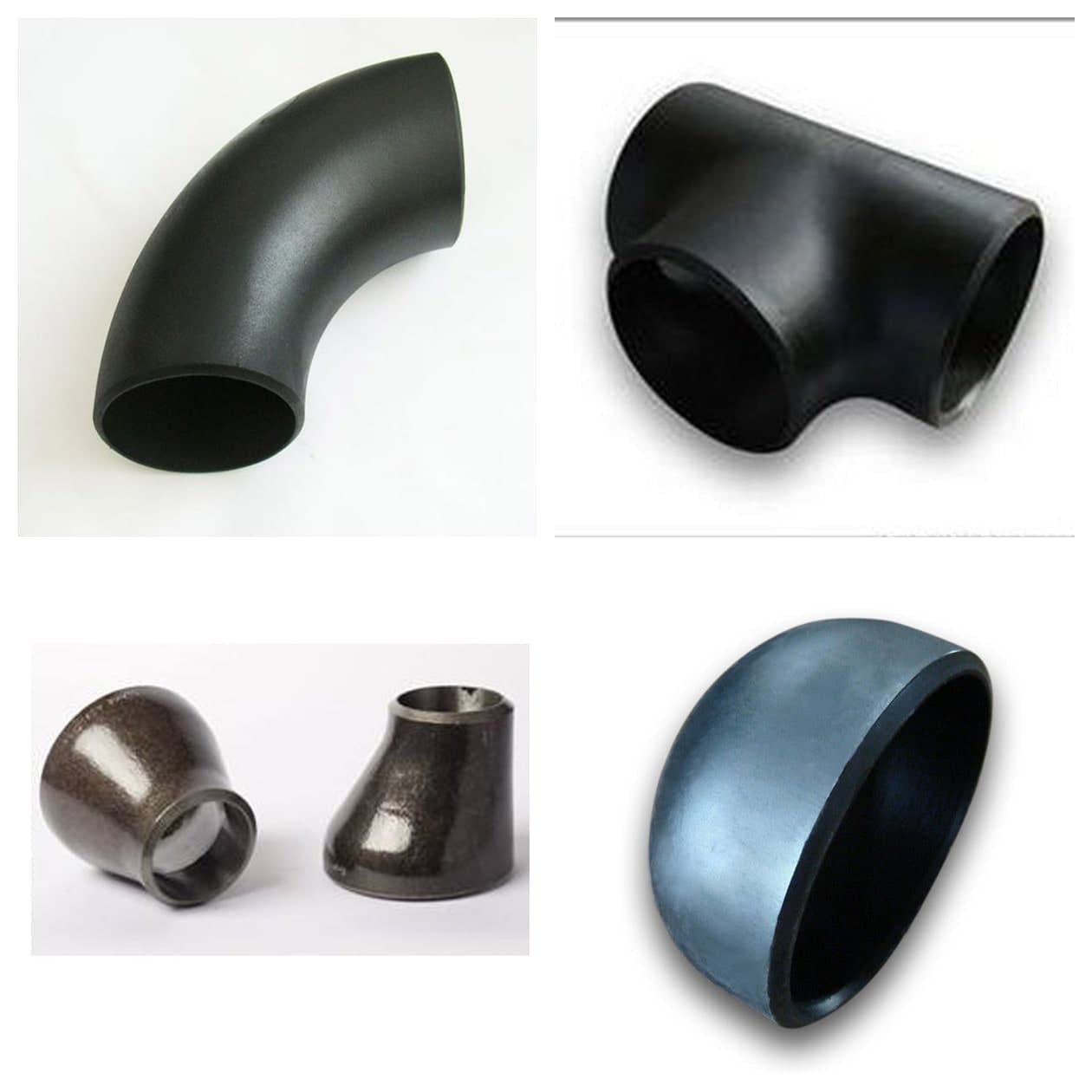
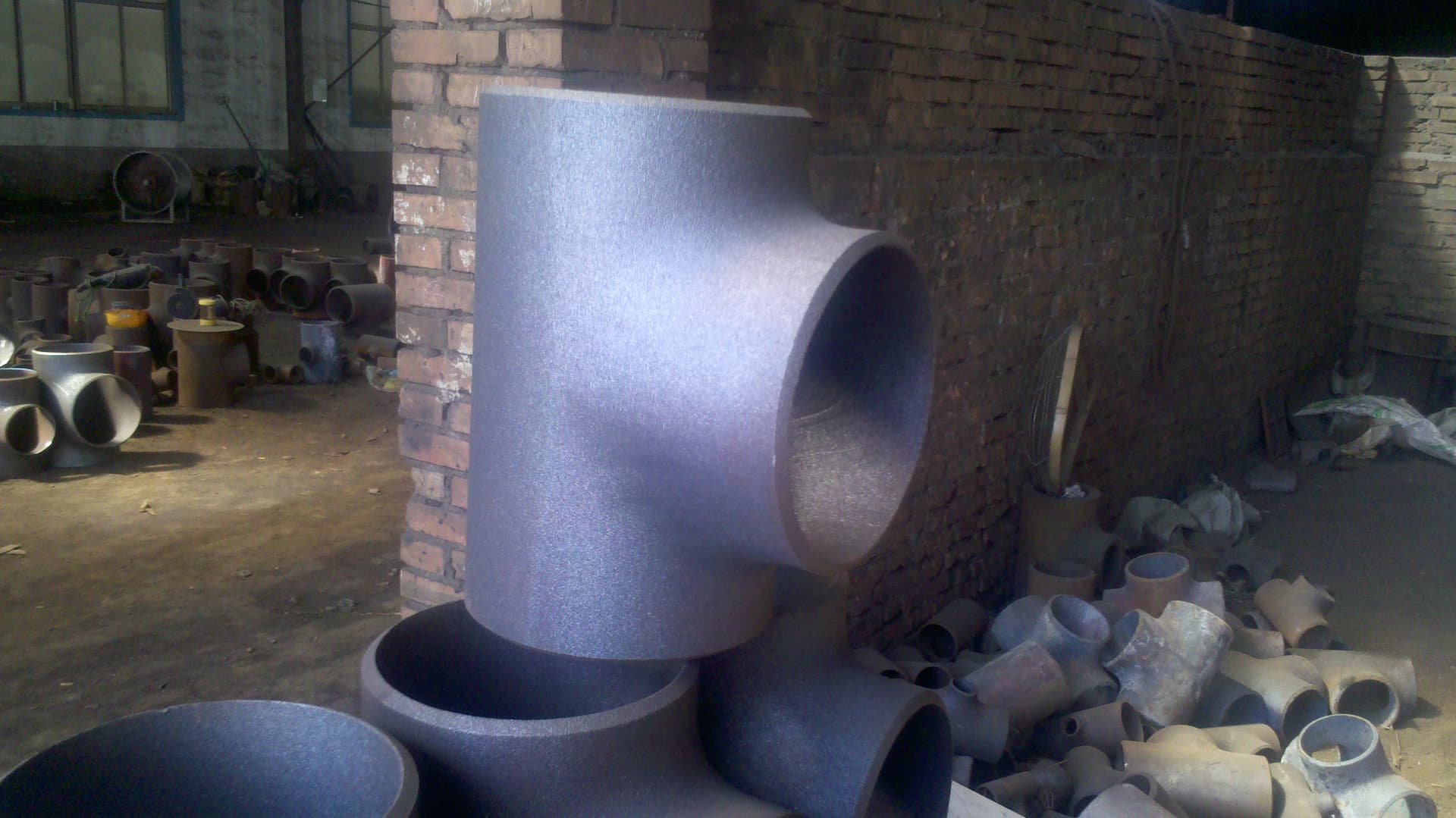
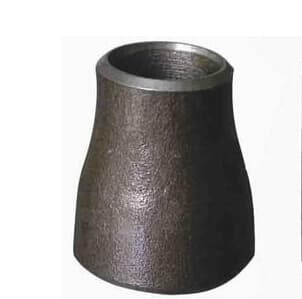
Hebei Haihao Group manufactures pipe reducers in concentric and eccentric configurations. Forming methods include reducing pressing, expanding pressing, combined reducing-and-expanding and stamping. Used to connect pipes of different nominal diameters and to redirect or modulate flow.
Applications
Oil & gas pipelines, natural gas transmission, chemical plants, power stations, shipbuilding, pharmaceutical, dairy, brewery, beverage and water-conservancy piping.
Technical specs
Standards: ASME B16.9, MSS SP-75, EN 10253, GB/T 12459. Material: ASTM A234 WPB/WP11/WP22; A403 WP304/WP316; A420 WPL6; carbon, alloy, stainless. Size range: 1/2" - 48" (DN15 - DN1200). Pressure / wall: Sch 5S - Sch XXS / PN 6 - PN 420. NDT: 100% visual + dimensional; RT/UT/PT/MT and PMI on request. Surface: shot-blasted, oiled, painted or galvanized.
Referenced standards
- Standard title
- Standard Specification for Piping Fittings of Wrought Carbon Steel and Alloy Steel for Moderate and High Temperature Service
- Issuing body
- ASTM International
Similar / alternate materials
This product covers multiple base grades. Alternates below are grouped by base family — each card is an upgrade path FROM the labeled base grade when service conditions move outside its envelope. Final selection must be reviewed by a qualified materials engineer.
Switch to A420 WPL6 when service temp ≤ -29°C (Charpy at -46°C); WPB is not qualified for low temperature.
For creep range (~450-540°C) move to 1.25Cr-0.5Mo (WP11) or 1Cr-0.5Mo (WP12).
For high-temp creep / hydrogen service use 2.25Cr-1Mo (WP22), common in hydrotreaters and boiler reheat.
Ultra-supercritical main steam / 540-620°C zones use 9Cr-1Mo-V (Grade 91).
Selection window: MDMT between -101°C and -46°C (colder than WPL6, warmer than 9% Ni). Charpy at -150°F (-101°C); typical for ethylene and deep cryogenic propane lines.
LNG (-162°C) / liquid nitrogen (-196°C) butt-weld fittings use ASTM A420 WPL8 (Ni 8.4–9.6%, commonly called 9% Ni; Charpy at -320°F / -196°C); matching pipe A333 Gr.8, forgings A522.
Chloride service (Cl⁻ > 50 ppm, especially T > 60°C): use 316L; higher chloride or temperature still risks SCC — upgrade to duplex.
Seawater / high chloride / moderate temperature butt-weld fittings: duplex 2205 (A815 WP-S31803), PREN ≈ 35, better pitting resistance than 316L. A182 F51 covers forgings/flanges.
Offshore / FPSO / water injection wellhead: super duplex 2507 (A815 WP-S32750), PREN ≈ 42–43 (industry SDSS threshold ≥ 40). A182 F53 covers forgings/flanges.
Strong acid / high-temp sour / hydrogen service: upgrade to Inconel 625 (UNS N06625, WPNCMC) or Incoloy 825 (UNS N08825, WPNICMC).
Hydrochloric acid / wet chlorine / strongly reducing media: Hastelloy C-276 (UNS N10276, WPHC276).
Typical industry applications
How procurement teams typically deploy this material/category in real projects. Compare against your project spec before locking the BOM.
- Oil & Gas PipelinesOnshore crude / gas trunk lines: API 5L X42 and below pair with A234 WPB; X52-X70 must pair with MSS SP-75 WPHY-52/60/65/70 (yield-strength match). Service window -29 to +120°C (B31.4 / B31.8 onshore practice).
- Water & Fire ProtectionMunicipal water, cooling-water loops, fire mains; carbon steel with galvanizing or epoxy lining.
- LNG / CryogenicPropane / LPG (~-46°C) → A420 WPL6; ethylene (~-101°C) → A420 WPL3; LNG (-162°C) / liquid nitrogen (-196°C) butt-weld fittings step up to A420 WPL8 (Ni 8.4–9.6%, commonly called 9% Ni).
- Power GenerationSub / supercritical main steam and reheat lines: WP11 (~540°C) / WP22 (~565°C) / WP91 (~620°C).
- Refinery / HydroprocessingHydrocracking / hydrotreating reactor in/out lines; hydrogen-service per Nelson curve uses WP5 / WP9 / WP22.
- OffshoreSeawater loops / FPSO process lines prefer duplex A815 WP-S31803 (2205) / super duplex A815 WP-S32750 (2507); 316L only for short-term or low-chloride sections (SCC risk above ~60°C even with 316L).
Standards and Materials
The following supports product selection and RFQ communication. Final requirements follow drawings, standards and purchase documents.